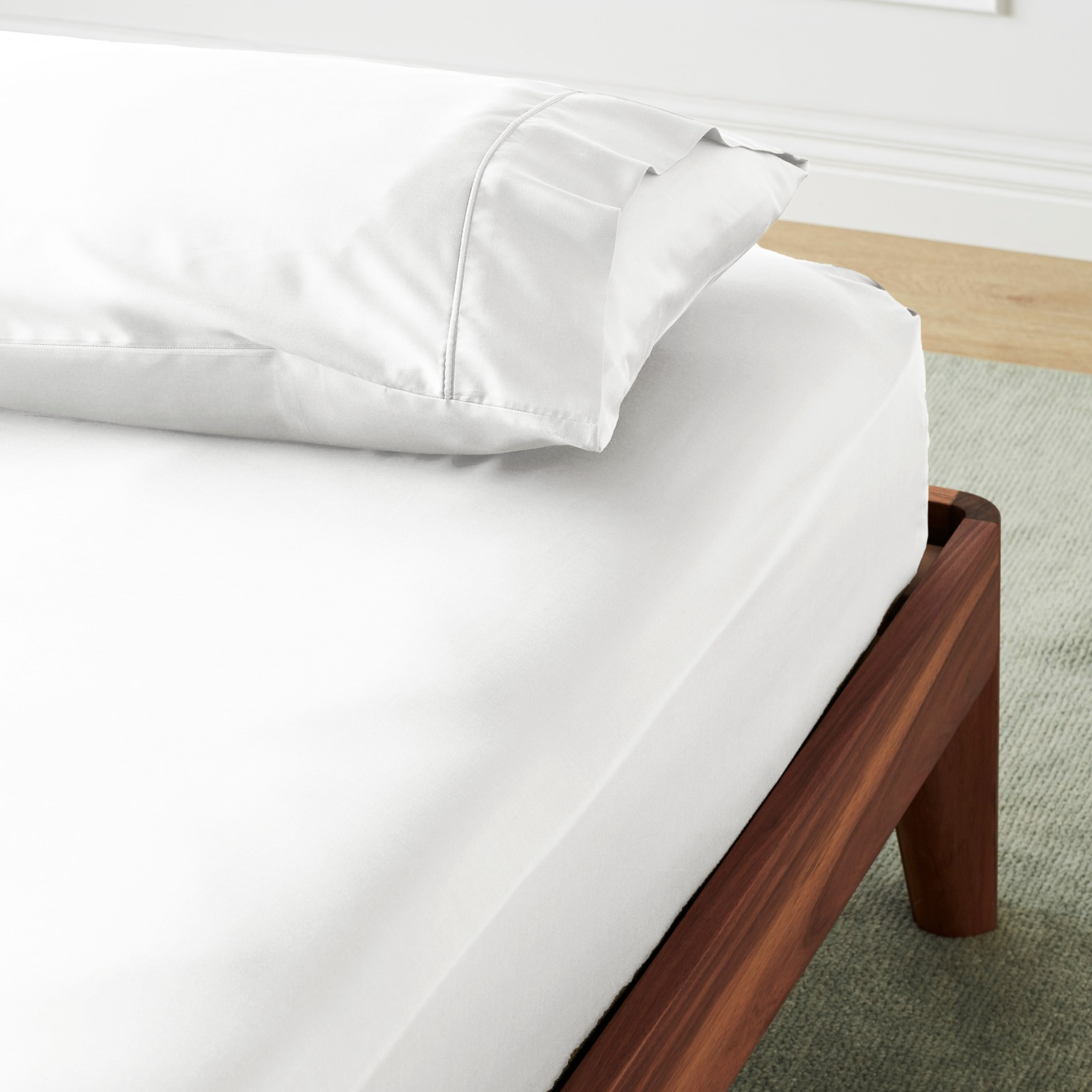
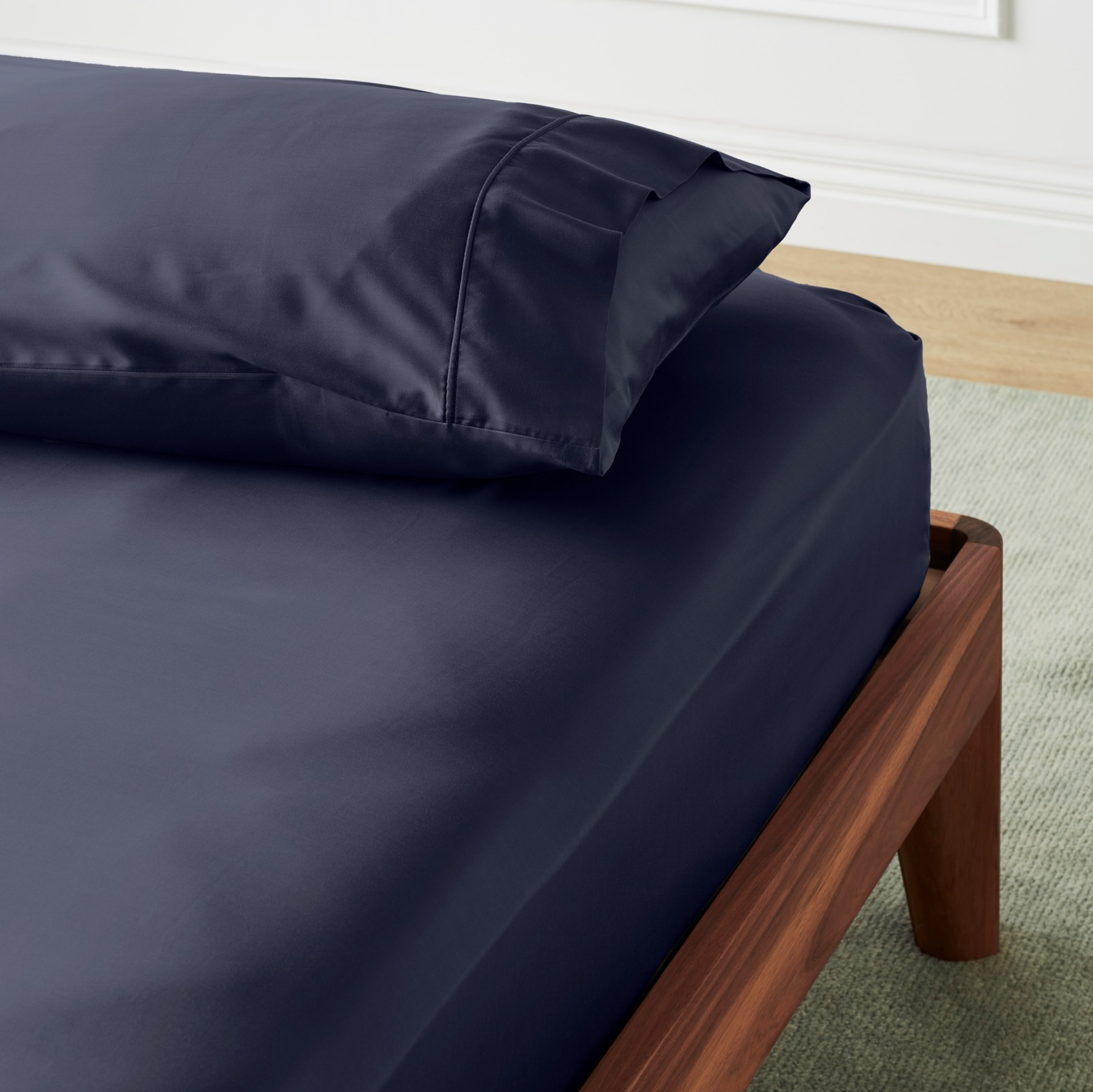
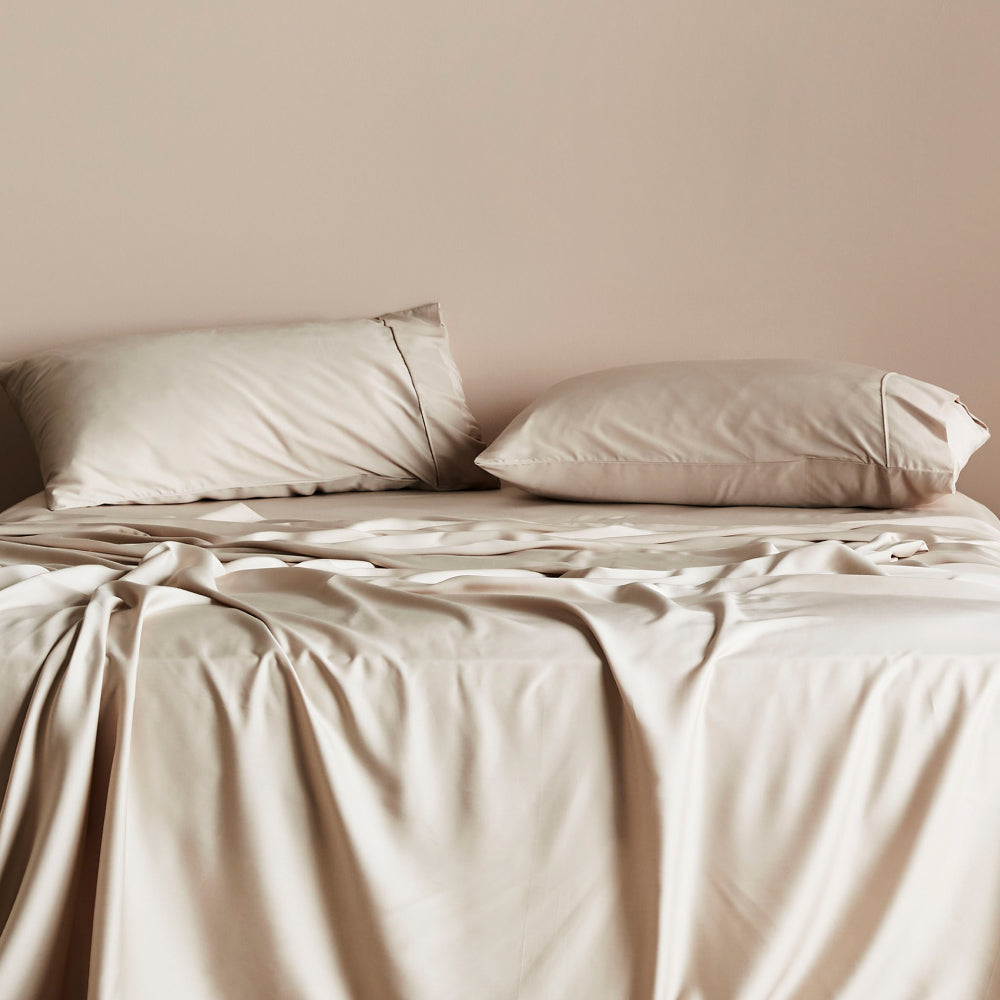
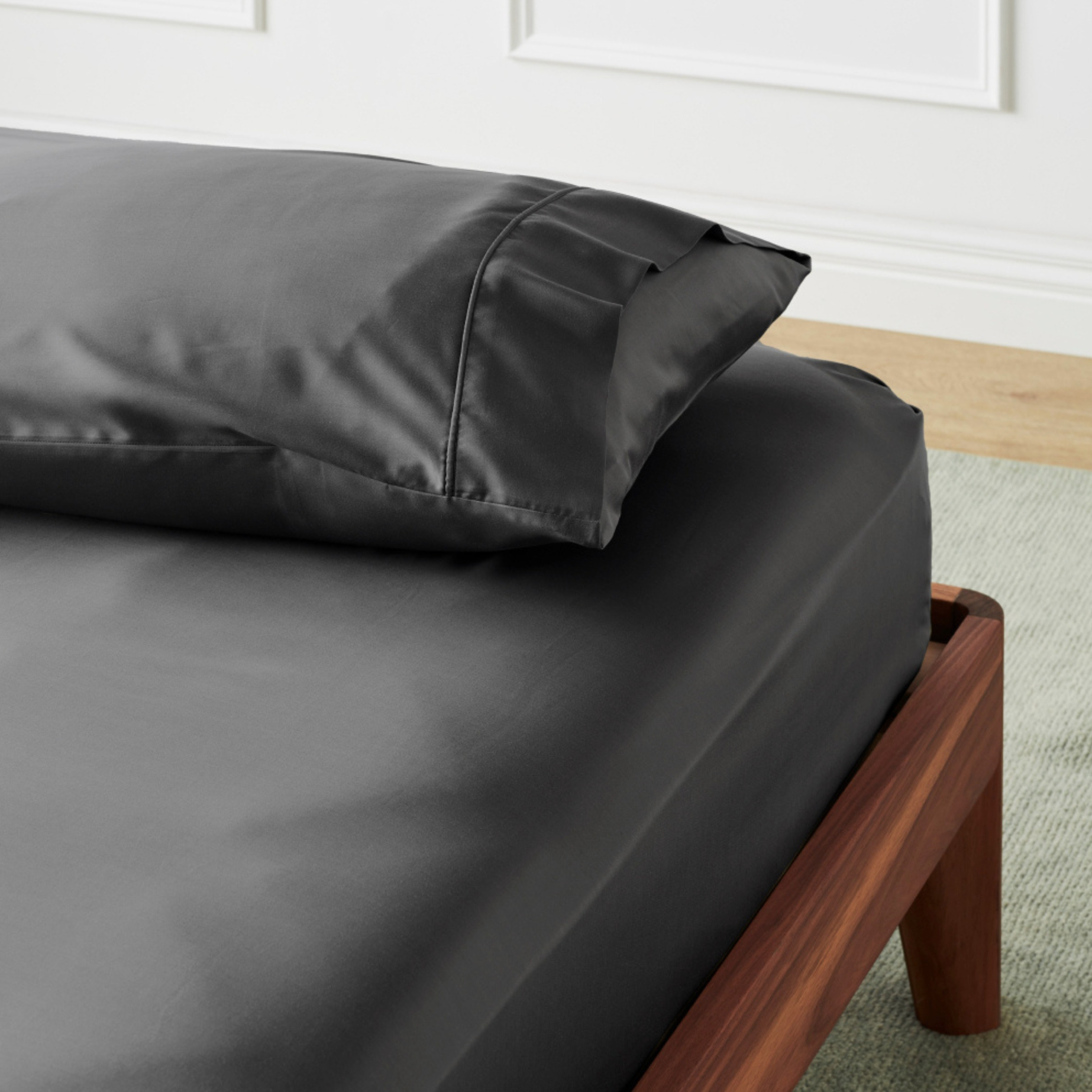
Wenn Sie jemals nach Bio-Bambus-Bettwäsche gesucht haben, haben Sie wahrscheinlich schon Behauptungen wie „Zertifizierter 100 % Bio-Bambus“ auf Produktseiten gesehen. Das Problem ist: Die meisten dieser Behauptungen bedeuten nicht das, was Sie denken, und einige sind geradezu irreführend.
Der Markt für Bambus-Bettwäsche hat ein Problem mit der Bio-Zertifizierung. Marken vermischen chemische Sicherheitstests mit Bio-Zertifizierungen, stellen falsch dar, was „Bio-Bambus“ tatsächlich abdeckt, und stützen sich auf Auszeichnungen, die beeindruckend klingen, aber bei näherer Betrachtung nicht standhalten. Das Ergebnis? Verbraucher zahlen Premiumpreise für Behauptungen, die bestenfalls technisch eng gefasst und schlimmstenfalls Greenwashing sind.
Hier erfahren Sie, wie Sie die Etiketten lesen, verstehen, was jede Zertifizierung tatsächlich bescheinigt, und auch Warnsignale oder irreführende Behauptungen erkennen, um Greenwashing zu vermeiden. So können Sie Bambus-Bettwäsche basierend auf dem auswählen, was wirklich zählt: was im Stoff enthalten ist, wie er hergestellt wurde und ob die Behauptungen durch etwas Reales untermauert sind.
Warum „Bio-Bambus-Bettwäsche“ fast immer irreführend ist
Beginnen wir mit der unangenehmen Wahrheit: Es gibt derzeit keine weit verbreitete Bio-Zertifizierung für fertigen Bambus-Lyocell- oder Bambus-Viskose-Stoff. Das Wort „Bio“ im Marketing für Bambus-Bettwäsche bezieht sich fast immer auf die rohe Bambuspflanze, nicht auf die Bettwäsche in Ihrem Bett.
Dieser Unterschied ist wichtig, denn Bambus wird im Gegensatz zu Baumwolle chemisch verarbeitet, um eine Textilfaser zu werden. Die Bambuspflanze wird aufgelöst und zu Fasern rekonstituiert, entweder durch das Viskose-/Rayon-Verfahren (das aggressive Chemikalien wie Schwefelkohlenstoff und Schwefelsäure verwendet) oder das Lyocell-Verfahren (das ein ungiftiges, geschlossenes Lösungsmittelsystem verwendet). Wenn Bambus zu Bettwäsche wird, ist es eine industriell hergestellte Zellulosefaser, kein rohes landwirtschaftliches Produkt.
Wenn eine Marke ihre Bettwäsche also als „Bio-Bambus“ bezeichnet, bezieht sie sich typischerweise auf den Anbau des Bambus und nicht auf das fertige Produkt, auf dem Sie schlafen.
Die drei Zertifizierungen, die Sie sehen werden, und was sie tatsächlich bedeuten
1. OEKO-TEX® Standard 100: Chemische Sicherheit, keine Bio-Zertifizierung
Was es ist: OEKO-TEX® Standard 100 ist ein weltweit anerkanntes Prüfsystem, das fertige Textilien auf über 350 potenziell schädliche Substanzen überprüft: Pestizidrückstände, Schwermetalle, Formaldehyd, Phthalate und mehr. Produkte werden unabhängig getestet, um sicherzustellen, dass sie frei von Chemikalien sind, die Haut oder Gesundheit schädigen könnten.
Was es nicht ist: Eine Bio-Zertifizierung. Punkt.
Dennoch bezeichnen einige Marken für Bambus-Bettwäsche ihre Produkte als „zertifizierter 100 % Bio-Bambus durch OEKO-TEX Standard 100 Zertifizierung“. Dies ist entweder ein grundlegendes Missverständnis dessen, was OEKO-TEX® zertifiziert, oder ein bewusster Versuch, Verbraucher in die Irre zu führen. OEKO-TEX® Standard 100 bestätigt, dass das fertige Produkt für den menschlichen Gebrauch sicher ist. Es sagt nichts darüber aus, ob das Rohmaterial biologisch angebaut wurde.
Diese Verwechslung ist leider in der Kategorie Bambus-Bettwäsche extrem verbreitet. Wenn Sie „Bio“ und „OEKO-TEX®“ als dieselbe Behauptung dargestellt sehen, ist das ein Warnsignal.
Was OEKO-TEX® Standard 100 Ihnen sagt: Der Stoff wurde auf Hunderte von Substanzen getestet, die Ihre Haut reizen, Hormone stören oder Ihre Gesundheit schädigen könnten. Das ist eine wirklich wertvolle Zertifizierung, aber es ist eben keine Bio-Zertifizierung. Von Dermatologen empfohlene Marken wie Ettitude besitzen die OEKO-TEX® Standard 100 Klasse 1 Zertifizierung, die höchste Klassifizierung im System, was bedeutet, dass der Stoff Sicherheitsgrenzwerte erfüllt, die streng genug für Babys und Kleinkinder sind. Wenn es für die Haut eines Säuglings sicher ist, ist es auch für Ihre Haut sicher.
2. OCS (Organic Content Standard): Das Rohmaterial, nicht der Stoff
Was es ist: Der Organic Content Standard, der von Textile Exchange verwaltet wird, überprüft, ob ein Produkt biologisch angebaute Materialien enthält, und verfolgt dieses Material von der Quelle bis zum Endprodukt.
Was es abdeckt und was nicht: OCS zertifiziert, dass die Bambuspflanze biologisch angebaut wurde, ohne synthetische Pestizide oder Düngemittel. Dies ist eine legitime und nachprüfbare Behauptung. Aber hier ist die entscheidende Nuance: OCS zertifiziert nicht, dass die fertige Faser biologisch ist. Es zertifiziert die Herkunft des Rohmaterials.
Laut Textile Exchange bietet der Standard Unternehmen „eine Möglichkeit, ihre Behauptungen über biologisch angebaute Inhalte zu kommunizieren.“ Das Schlüsselwort ist „angebaut“. Die technisch korrekte und rechtlich haltbare Behauptung ist also:
„Hergestellt aus biologisch angebautem Bambus“ oder „Enthält biologisch angebauten Bambus“
Wenn eine Marke mit OCS-Zertifizierung ihre Bambus-Viskose- oder Lyocell-Bettwäsche ohne diese Einschränkung einfach als „Bio“ bezeichnet, übertreibt sie, was die Zertifizierung abdeckt.
3. GOTS (Global Organic Textile Standard): Der strengste Standard und der am schwierigsten zu erfüllende
Was es ist: GOTS ist der Goldstandard für Bio-Textilien. Er deckt die gesamte Lieferkette ab, von den Rohmaterialien über die Verarbeitung, Herstellung, Verpackung und Etikettierung. Er verlangt, dass Produkte mindestens 70 % zertifizierte Bio-Naturfasern enthalten, um das Etikett „hergestellt mit Bio-Materialien“ zu tragen, oder 95 % für das volle „Bio“-Etikett.
Warum 100 % Bambusprodukte sich nicht qualifizieren können: Hier ist der entscheidende Punkt, den die meisten Verbraucher übersehen. GOTS klassifiziert Bambus-Lyocell, Bambus-Viskose und Bambus-Modal als regenerierte Zellulosefasern, nicht als Natur- oder Bio-Fasern, unabhängig davon, ob die Bambuspflanze biologisch angebaut wurde. Nach dem Standard sind regenerierte Fasern nur als „zusätzliche Fasern“ neben einer Mehrheit von organischen Naturfasern wie Baumwolle, Wolle oder Seide erlaubt. Die offizielle GOTS-Frage-und-Antwort-Sektion besagt dies explizit: Regenerierte Bambusfasern dürfen in GOTS-zertifizierten Textilien nur bis zu 10 % enthalten sein, vorausgesetzt, der Bambus ist gentechnikfrei. Diese 10 %-Grenze gilt für alle regenerierten Fasern aus beliebigen Rohmaterialquellen.
Was dies in der Praxis bedeutet: Ein Produkt, das zu 100 % aus Bambus besteht, sei es Lyocell oder Viskose, kann keine GOTS-Zertifizierung erhalten. Die Rechnung geht einfach nicht auf. GOTS verlangt mindestens 70 % organische Naturfasern, und aus Bambus gewonnene regenerierte Fasern sind auf 10 % der Gesamtmenge begrenzt. Wenn Sie ein GOTS-Logo auf 100 % Bambus-Bettwäsche sehen, deckt die Zertifizierung fast sicher ein Mischprodukt, eine Anlage oder einen Prozess ab, nicht die Bambus-Bettwäsche selbst. Fragen Sie die Marke immer genau, worauf sich die GOTS-Zertifizierung bezieht, damit Sie sich nicht durch vage oder ungenaue Behauptungen irreführen lassen.
Die FTC hat das Wort ergriffen
Dies ist nicht nur eine Grauzone bei der Kennzeichnung; die Regulierungsbehörden haben dies zur Kenntnis genommen. Die US-amerikanische Federal Trade Commission (FTC) hat wiederholt Regeln zur Kennzeichnung von Bambustextilien durchgesetzt. Nach Bundesgesetz müssen Stoffe, die durch einen chemischen Herstellungsprozess hergestellt wurden, als „Rayon“ oder mit dem spezifischen verwendeten Herstellungsprozess (wie „Lyocell“) gekennzeichnet werden, unabhängig von der Pflanzenquelle.
Die Position der FTC ist klar: Die Bezeichnung von chemisch verarbeitetem Bambusstoff als einfach „Bambus“ ist irreführend. Die Bezeichnung als „Bio-Bambus“, wenn der Bio-Anspruch nur für die Rohpflanze gilt, während das fertige Produkt chemisch verarbeitet wurde, verschärft das Problem.
Die FTC hat mehrere Einzelhändler wegen falscher Kennzeichnung von Rayon-Produkten als „Bambus“ und wegen unbegründeter Umweltbehauptungen mit Verwarnungen und Bußgeldern belegt. Wenn die Kennzeichnung einer Marke den Fasertyp (Bambusviskose, Bambusrayon oder Bambus-Lyocell) nicht angibt, ist dies ein Verstoß gegen die Vorschriften und ein Problem der Transparenz. Es ist illegal.
Und nicht nur die USA greifen hart durch. Ab September 2026 verbietet die EU-Richtlinie zur Stärkung der Verbraucher für den grünen Übergang (ECGT) allgemeine Umweltbehauptungen wie „umweltfreundlich“, „grün“ oder „nachhaltig“, es sei denn, sie werden durch eine verifizierte Zertifizierung Dritter gestützt. Nachhaltigkeitslabels, die nicht unabhängig zertifiziert sind, werden nicht konform sein. Die globale Regulierungsrichtung ist klar: Unbegründete Behauptungen werden zu einer rechtlichen Haftung, nicht nur zu einem Glaubwürdigkeitsproblem.
Worauf sollten Sie eigentlich achten?
Anstatt ein „Bio“-Label zu jagen, das vielleicht nicht das bedeutet, was Sie denken, konzentrieren Sie sich auf das, was Ihre Gesundheit, Ihren Schlaf und die Umwelt wirklich beeinflusst:
Die Faserart ist wichtiger als das „Bio“-Label
Nicht alle Bambusstoffe sind gleich. Bambusviskose (Rayon) verwendet aggressive Chemikalien: Schwefelkohlenstoff, Ätznatron und Schwefelsäure in einem offenen Verfahren, das chemische Spuren am Endprodukt hinterlassen und Schadstoffe in die Umwelt freisetzen kann. Bambus-Lyocell verwendet ein geschlossenes Verfahren mit ungiftigen Lösungsmitteln, wodurch eine sauberere, sicherere Faser entsteht.
Eine unabhängige Lebenszyklusanalyse, die CleanBamboo® Lyocell mit Bambusviskose verglich, ergab:
-
59 % Reduzierung des Abwassers
-
45 % Reduzierung der CO₂-Emissionen
-
53 % Reduzierung des Verbrauchs fossiler Brennstoffe
Dies sind überprüfte Umweltunterschiede, keine Marketing-Adjektive.
Chemische Sicherheitszertifizierungen sagen Ihnen, was auf dem Stoff ist
OEKO-TEX® Standard 100 ist vielleicht keine Bio-Zertifizierung, aber er ist für Ihre Gesundheit wohl nützlicher. Er testet das fertige Produkt, das tatsächlich Ihre Haut berührt, unabhängig auf Hunderte von schädlichen Substanzen. Ein nach OEKO-TEX® Standard 100 zertifiziertes Produkt wurde als sicher für längeren Hautkontakt befunden, was genau das ist, was Sie von Bettwäsche erwarten.
Rückverfolgbarkeit ist die neue Transparenz
Kann die Marke den Bambus vom Wald bis zum fertigen Stoff zurückverfolgen? Verwenden sie FSC-zertifizierte Bambusquellen? Wird ihr Herstellungsprozess von Dritten überprüft?
Der CleanBamboo®-Stoff von Ettitude ist vollständig rückverfolgbar, von FSC-zertifizierten Bambuswäldern über ein patentiertes geschlossenes Herstellungsverfahren, das 98 % Wasser und Lösungsmittel recycelt. Der Prozess verwendet lebensmitteltaugliche, ungiftige Lösungsmittel anstelle der aggressiven Chemikalien, die bei der herkömmlichen Bambusviskoseproduktion verwendet werden. Dieses Maß an Transparenz in der Lieferkette ist in der Kategorie Bambus-Bettwäsche selten und ein aussagekräftigeres Unterscheidungsmerkmal als ein „Bio“-Label, das nur auf die Rohpflanze angewendet wird.
Dermatologen-Empfehlung ist wichtig für Ihre Haut
Wenn die Hautgesundheit Priorität hat – und für die über 60 Millionen Amerikaner, die an Ekzemen, empfindlicher Haut oder Allergien leiden, sollte sie das sein –, ist es wichtiger, woraus Ihre Bettwäsche besteht, als die meisten Menschen wissen. Sie verbringen ungefähr ein Drittel Ihres Lebens in direktem Hautkontakt mit Ihrer Bettwäsche. Für reaktive oder in ihrer Barriere beeinträchtigte Haut sind das jede Nacht acht Stunden Exposition gegenüber Chemikalien, Rückständen oder Reizstoffen, die im Stoff enthalten sind.
„Der Schutz der Hautbarriere und ihres Mikrobioms ist einer der wichtigsten Aspekte der Hautgesundheit. Eine Ursache für eine Störung des Mikrobioms könnten die Textilien sein, auf denen Sie schlafen. Gewöhnliche Stoffe wie konventionelle Baumwolle, Seide oder Bambusviskose werden mit schädlichen Chemikalien behandelt, die auslaugen und das natürliche Hautmikrobiom stören können. Deshalb empfehle ich, die Stoffe, auf denen Sie schlafen, genau zu untersuchen. Ettitudes Bambus-Lyocell-Bettwäsche verwendet lebensmitteltaugliche Lösungsmittel für die Verarbeitung ihrer Bio-Bambusfaser und ungiftige Farbstoffe, was sie zur sichersten Textiloption für Ihre Haut macht.“ – Dr. Barbara Paldus, Ph.D. (Stanford), Gründerin und CEO von Codex Labs, EWG-Vorstandsmitglied.
Hier wird der Fasertyp zu einer Entscheidung für die Hautgesundheit, nicht nur für die Nachhaltigkeit. Bambus-Lyocell verwendet keine Chemikalien, die die Haut reizen, Hormone stören oder das Hautmikrobiom beeinflussen. Bambus-Viskose, selbst wenn sie aus biologisch angebautem Bambus hergestellt wird, wird mit Schwefelkohlenstoff, Natronlauge und Schwefelsäure verarbeitet, Chemikalien, die Spuren im fertigen Stoff hinterlassen können. Das „Bio“-Label auf der Pflanze ändert nichts daran, was der Herstellungsprozess in den Textil einbringt, der Ihr Gesicht berührt.
Achten Sie auf Bettwäsche, die von Dermatologen empfohlen und nach OEKO-TEX® Standard 100 zertifiziert ist, der das fertige Produkt unabhängig auf Hunderte von Substanzen testet, die Haut oder Gesundheit schädigen könnten. Ein „Bio“-Label, das nur für die rohe Bambuspflanze gilt, sagt Ihnen nichts darüber aus, was um 2 Uhr nachts tatsächlich Ihre Haut berührt.
Fazit: Lesen Sie über das Abzeichen hinaus
Die Bambus-Bettwäsche-Industrie hat ein Transparenzproblem. „Bio“ ist zu einer Marketing-Kurzform geworden, die mehr verschleiert als aufklärt, indem sie landwirtschaftliche Praktiken auf Pflanzenebene mit der Qualität des Endprodukts verwechselt, chemische Sicherheitstests mit Bio-Zertifizierungen durcheinanderbringt und enge Behauptungen als umfassende darstellt.
Das schützt Sie wirklich:
-
Kennen Sie den Fasertyp. Bambus-Lyocell und Bambus-Viskose unterscheiden sich grundlegend in ihrer Herstellung und dem, was im fertigen Stoff landet.
-
Achten Sie auf OEKO-TEX® Standard 100. Es testet das Produkt, auf dem Sie tatsächlich schlafen werden, unabhängig, gründlich und spezifisch auf schädliche Substanzen.
-
Fragen Sie nach der Rückverfolgbarkeit. Wenn eine Marke Ihnen nicht sagen kann, woher der Bambus stammt, wie er verarbeitet wurde und welche Zertifizierungen diese Behauptungen untermauern, leistet das „Bio“-Label mehr Arbeit als die Lieferkette.
-
Priorisieren Sie den Prozess, nicht die Pflanze. Eine biologisch angebaute Bambuspflanze, die mit Schwefelkohlenstoff verarbeitet wird, erzeugt einen weniger sicheren, weniger nachhaltigen Stoff als eine konventionell angebaute Bambuspflanze, die durch ein ungiftiges, geschlossenes Lyocell-System verarbeitet wird. Die Herstellung ist wichtiger als der Anbau.
Wahre Transparenz ist kein Abzeichen; sie ist eine nachvollziehbare, überprüfbare Kette von Entscheidungen vom Samen bis zum Stich.
FAQ
Was ist Bambus-Lyocell?
Bambus-Lyocell ist eine Textilfaser, die aus Bambuszellulose unter Verwendung eines ungiftigen, geschlossenen Lösungsmittelprozesses hergestellt wird – eine sauberere, sicherere Alternative zu Bambusviskose. Im Gegensatz zu Bambusviskose (Rayon), die auf aggressive Chemikalien wie Schwefelkohlenstoff und Schwefelsäure angewiesen ist, wird Bambus-Lyocell unter Verwendung eines ungiftigen Lösungsmittels hergestellt, das während des gesamten Herstellungsprozesses recycelt wird. Das Ergebnis ist ein weicherer, haltbarerer und nachhaltigerer Stoff. Ettitudes CleanBamboo® ist ein patentiertes Bambus-Lyocell, das aus FSC-zertifiziertem Bambus durch ein geschlossenes Verfahren hergestellt wird, das 98 % Wasser und Lösungsmittel recycelt und vom Wald bis zum fertigen Stoff vollständig rückverfolgbar ist.
Ist Bio-Bambus-Bettwäsche wirklich Bio?
Meistens nicht. „Bio-Bambus-Bettwäsche“ bedeutet fast immer, dass die Bambuspflanze biologisch angebaut wurde, nicht dass der fertige Stoff biologisch ist. Da Bambus chemisch verarbeitet werden muss, um eine Textilfaser zu werden, ist das fertige Produkt eine industriell hergestellte Zellulosefaser, kein rohes landwirtschaftliches Produkt. Zertifizierungen wie OCS (Organic Content Standard) überprüfen die Herkunft der Rohstoffe, zertifizieren aber nicht den fertigen Stoff als biologisch.
Was ist der Unterschied zwischen OEKO-TEX® Standard 100 und Bio-Zertifizierung?
OEKO-TEX® Standard 100 ist eine Zertifizierung für chemische Sicherheit, keine Bio-Zertifizierung. Es testet den fertigen Stoff auf schädliche Substanzen, nicht wie das Rohmaterial angebaut wurde. Es überprüft Textilien unabhängig auf über 350 potenziell schädliche Substanzen, um zu überprüfen, ob sie für den Hautkontakt sicher sind. Einige Marken für Bambus-Bettwäsche stellen OEKO-TEX® fälschlicherweise als Bio-Zertifizierung dar, was irreführend ist. Zertifizierungen sind von Klasse 1 (babysicher, am strengsten) bis Klasse 4 (dekorative Textilien) gestaffelt. Ettitude ist nach Klasse 1 zertifiziert, dem höchsten Standard, was bedeutet, dass der Stoff auf die strengsten Grenzwerte für schädliche Substanzen getestet wurde.
Ist Bambus-Lyocell besser als Bambus-Viskose?
Ja, Bambus-Lyocell ist sicherer, weicher, haltbarer und nachhaltiger als Bambus-Viskose. Bambus-Lyocell verwendet ein geschlossenes Verfahren mit ungiftigen Lösungsmitteln, während Bambus-Viskose aggressive Chemikalien wie Schwefelkohlenstoff, Natronlauge und Schwefelsäure in einem offenen Verfahren verwendet. Eine unabhängige Lebenszyklusanalyse zeigt, dass CleanBamboo® Lyocell 59 % weniger Abwasser, 45 % weniger CO₂ und 53 % weniger fossile Brennstoffe als Bambus-Viskose produziert.
Kann Bambus-Bettwäsche GOTS-zertifiziert sein?
Nein, ein Produkt, das zu 100 % aus Bambus besteht, kann keine GOTS-Zertifizierung erhalten, da GOTS mindestens 70 % organische Naturfasern vorschreibt und regenerierte Fasern wie Bambus-Lyocell oder Viskose auf 10 % begrenzt. Bambus-Lyocell und Bambus-Viskose werden nach dem Standard als regenerierte Zellulosefasern eingestuft, nicht als Natur- oder Biofasern. Ein Produkt, das vollständig aus Bambus besteht, kann die Anforderungen an die Faserzusammensetzung des Standards strukturell nicht erfüllen, unabhängig davon, wie der Bambus angebaut wurde. Wenn eine Marke GOTS auf 100 % Bambuslaken anzeigt, bezieht sich die Zertifizierung wahrscheinlich auf ein Mischprodukt, eine Einrichtung oder einen Prozess, nicht auf die Bambusbettwäsche selbst.
Worauf sollte ich bei Bambuslaken anstelle von „Bio“ achten?
Achten Sie auf den Fasertyp (Bambus-Lyocell vs. Viskose), die OEKO-TEX® Standard 100 Zertifizierung und die vollständige Rückverfolgbarkeit der Lieferkette. Diese Faktoren haben einen direkteren Einfluss auf Ihre Gesundheit und die Umwelt als ein „Bio“-Etikett, das nur für die rohe Pflanze gilt. Wenn eine Marke ihre Umweltangaben mit Daten von Drittanbietern verifizieren und ihren Bambus vom Ursprung bis zum fertigen Produkt zurückverfolgen kann, sagt Ihnen das mehr als jedes „Bio“-Siegel.
Reguliert die FTC die Etikettierung von Bambusbettwäsche?
Ja, die FTC schreibt vor, dass chemisch verarbeiteter Bambusstoff mit seinem tatsächlichen Fasertyp (Rayon, Viskose oder Lyocell) und nicht einfach nur mit „Bambus“ gekennzeichnet werden muss. Die Behörde hat Einzelhändler wegen der Falschkennzeichnung von Rayonprodukten als „Bambus“ und wegen unbegründeter Umweltaussagen über Bambustextilien mit Geldbußen belegt. Wenn die Etikettierung einer Marke den Fasertyp nicht angibt, ist dies sowohl ein Problem der Einhaltung als auch ein Transparenzproblem.
Ist ettitude's CleanBamboo® biologisch?
ettitude beansprucht keine Bio-Zertifizierung, da sie auf fertiges Bambus-Lyocell nicht sinnvoll anwendbar ist. Stattdessen konzentriert sich die Marke auf Zertifizierungen, die Ihre Gesundheit und die Umwelt direkt schützen. ettitude verwendet FSC-zertifizierten Bambus, der in einem patentierten geschlossenen Lyocell-System verarbeitet wird, das 98 % des Wassers und des Lösungsmittels recycelt und lebensmittelechte, ungiftige Lösungsmittel verwendet. Der Fokus liegt auf der OEKO-TEX® Standard 100 Klasse 1 Zertifizierung (unabhängig auf Schadstoffe geprüft), der vollständigen Rückverfolgbarkeit der Lieferkette und der von Drittanbietern validierten Umweltleistung.