Ich praktizierte China Maxxing, bevor es einen Namen hatte
Von Phoebe Yu, Gründerin & CEO von ettitude
Das Video begann mit einem Mädchen in einem Leinen-Set, das eine Thermoskanne hielt. Die Bildunterschrift lautete: China Maxxing – Tag 7. Nur heißes Wasser. Füße eingeweicht. Vor 23 Uhr im Bett.
Ich sah es mir an und dachte: So hat meine Mutter gelebt.
Keine Ästhetik. Kein Protokoll. Keinen Namen dafür. Nur eine Thermoskanne, die immer in Reichweite war, Hausschuhe an der Tür und eine Großmutter, die ihre Füße vor dem Schlafengehen einweichte, so wie man sich die Zähne putzt – ohne Zeremonie, ohne Erklärung.
Anscheinend ist meine ganze Kindheit jetzt ein TikTok-Trend. Ich bin nicht böse darüber. Tatsächlich halte ich es für eine Chance, wirklich praktische und gesunde Gewohnheiten populär zu machen.
Ich trug diese Praktiken wie Gepäck mit mir herum
Ich wurde in Shanghai geboren und zog 2006 nach Melbourne. Seit über 8 Jahren lebe ich in LA. Das bedeutet, dass ich fast zwei Jahrzehnte lang die Person am Esstisch war, die höflich fragt, ob das Wasser warm oder zumindest zimmerwarm sein kann, anstatt eiskalt. Die Person, die darüber nachdenkt, welche Jahreszeit ist, wenn es darum geht, welches Essen sie essen möchte.
Diese Praktiken sind keine bewusst übernommenen „Wellness-Routinen“. Sie kamen wie Muttersprachen, auf natürliche Weise und durch Immersion. Die meisten davon sind, streng genommen, keine Gesundheitspraktiken. Es sind einfach Lebensgewohnheiten, die sehr lange aufmerksam beobachtet und ohne großes Aufhebens weitergegeben wurden.
Hier ist, wie es tatsächlich aussieht, aus der Sicht von jemandem, der damit aufgewachsen ist.
Die Praktiken, wie ich sie tatsächlich lebe
Warmes Wasser, den ganzen Tag
Die Thermoskanne ist keine Requisite. Ich habe gerade eine auf meinem Schreibtisch.
In der TCM (Traditionellen Chinesischen Medizin) wird kaltes Wasser, besonders morgens, als Schock für das Verdauungssystem verstanden. Es kühlt das ab, was der Körper zu erwärmen versucht. Das Konzept ist Milz-Qi: die Energie, die für die Verdauung der Nahrung und die Aufrechterhaltung des Grundenergielevels verantwortlich ist. Warmes Wasser unterstützt diesen Prozess; kaltes Wasser wirkt ihm entgegen.
Du brauchst die TCM nicht zu verstehen, um dies auszuprobieren. Es kostet nichts. Beginne hier, wenn du überhaupt beginnst.
Die 23-Uhr-Regel (zǐ shí / 子时)
Die TCM-Körperuhr teilt den 24-Stunden-Tag in Zwei-Stunden-Fenster ein, die jeweils einem anderen Organsystem zugeordnet sind. Das Fenster zwischen 23 Uhr und 1 Uhr (zǐ shí) gehört der Leber und Gallenblase, den primären Entgiftungsorganen des Körpers. In der TCM gilt Schlaf während dieses Fensters als unerlässlich für die Zellreparatur und die hormonelle Regeneration.
Die moderne Schlafforschung stimmt weitgehend zu. Die Entgiftungsfunktion der Leber erreicht ihren Höhepunkt in den frühen Schlafstunden, und selbst gelegentliche Störungen dieses Zeitfensters beeinflussen, wie erholt man sich am nächsten Tag fühlt.
Ich versuche, sogar vor 22 Uhr im Bett zu sein. Nicht aus Disziplin. Weil ich genau weiß, wie ich mich fühle, wenn ich es nicht bin.
Fußbäder vor dem Schlafengehen (zú yù / 足浴)
Zehn Minuten. Heißes Wasser. Manchmal Ingwer und manchmal getrocknete Beifuß aus einem Päckchen, das meine Mutter aus Shanghai schickt. Seit Kurzem verwende ich auch Salz mit zugesetztem Saflor. Das habe ich auf meiner letzten Seidenstraßenreise in Westchina gekauft, an einem Salzsee mit 3000-jähriger Geschichte. Das Salz stammt aus uraltem Meerwasser, das im Gestein eingeschlossen ist, ohne jegliche moderne chemische Verunreinigung.
Zú yù (Fußbaden) ist eine der ältesten Praktiken der chinesischen Medizin. Die Füße sind mit dem Meridiansystem des Körpers verbunden; sie zu wärmen, leitet die Zirkulation vom Kopf weg, beruhigt das Nervensystem und signalisiert den Übergang von Tag zu Nacht. Es ist die effektivste bildschirmfreie Entspannung, die ich gefunden habe, und ich habe die meisten davon ausprobiert. Ich habe eine zusammenklappbare Fußbadewanne mit Heizung, Vibration, Massagerollen und sogar Rotlicht. Meine Füße darin zu baden, während ich ein Buch lese, ist mein liebstes „Self-Care“-Ritual.
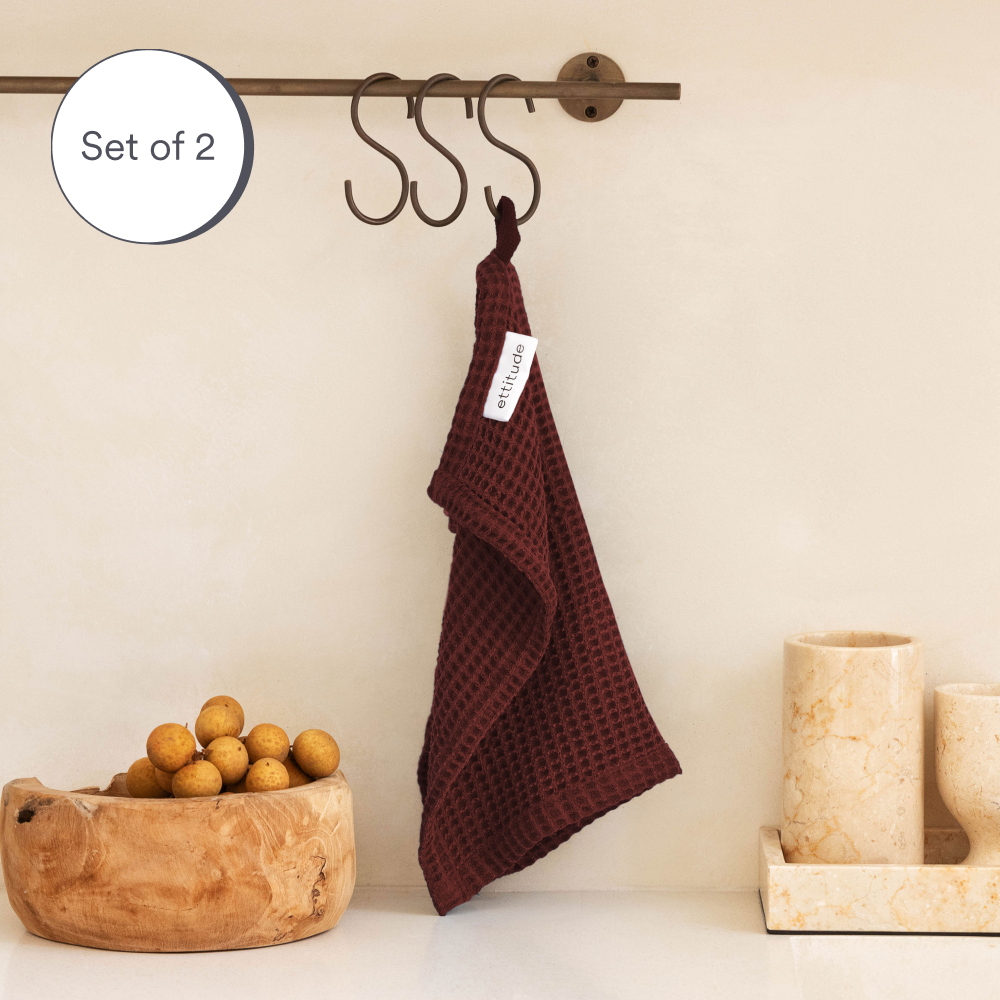
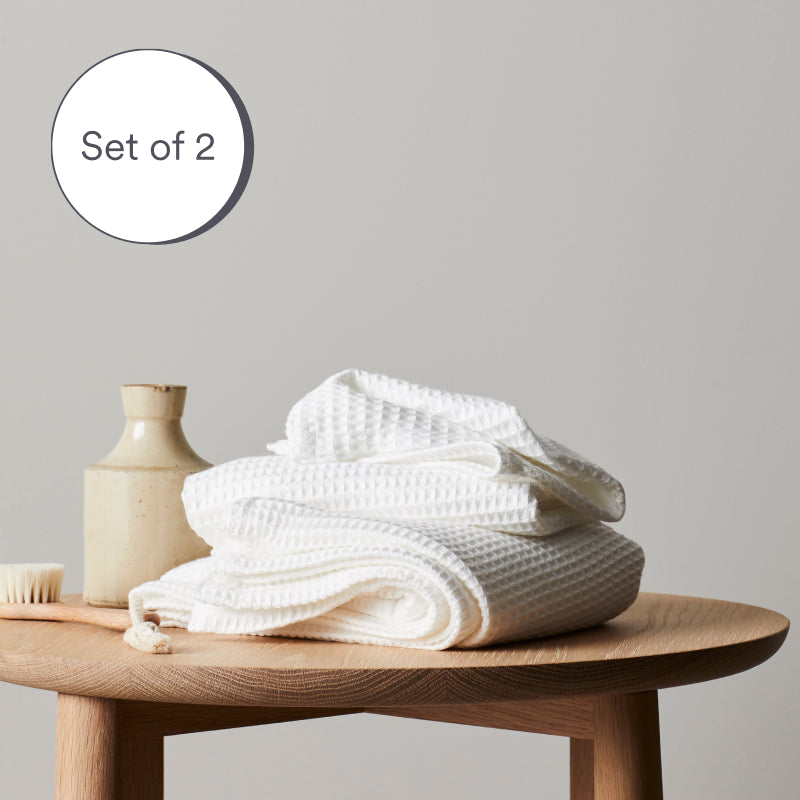
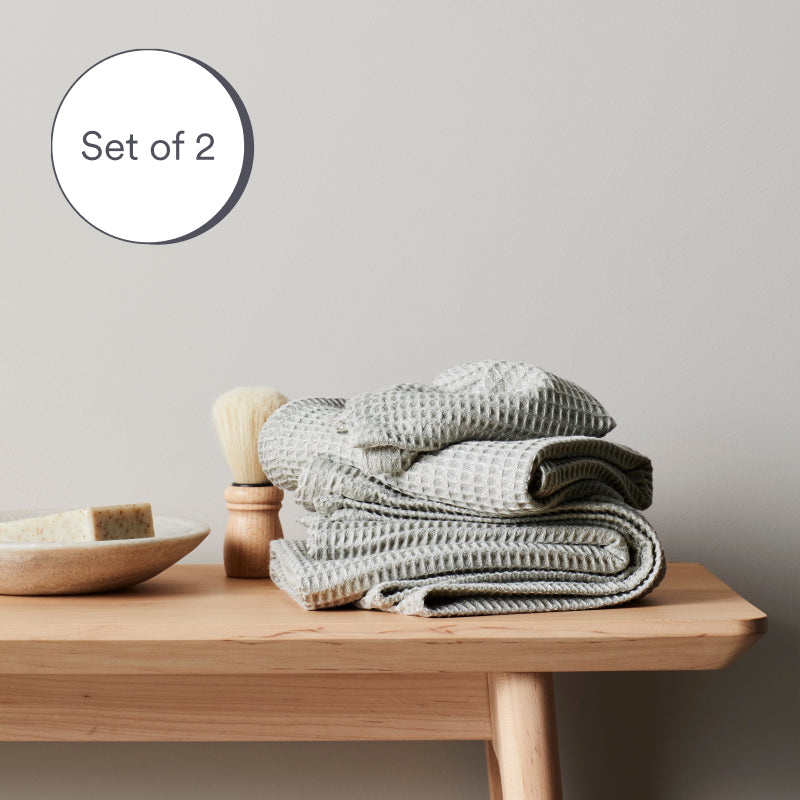
Stellen Sie nur sicher, dass Sie einige Handtücher zur Hand haben.
Probieren Sie dies eine Woche lang aus. Die Wirkung auf die Schlafqualität ist spürbar.
Saisonal essen
Im Winter esse ich wärmende Speisen: Ingwer, Wurzelgemüse und langsam gekochte Suppen. Im Sommer kühlende: Gurken, Wassermelone und Chrysanthemen-Tee. Das ist keine Diät. Es ist einfach nur, auf das Wetter zu achten.
Die TCM beschreibt Lebensmittel nach ihrer thermischen Natur, wie sie die innere Temperatur und Energie des Körpers beeinflussen, anstatt primär nach Kalorien oder Makronährstoffen. Das Ziel ist Harmonie, nicht Einschränkung. Essen Sie, was Ihr Körper für die jeweilige Jahreszeit bereits benötigt.
Wahrscheinlich machen Sie bereits etwas Ähnliches, ohne es so zu nennen. Es ist nachhaltiger, saisonales Obst und Gemüse zu essen, da sie auf natürliches Sonnenlicht und Regenwasser angewiesen sind, anstatt auf energieintensive Gewächshäuser.
Tee als Beruhigung, nicht als Koffein
Chrysantheme für Augen und Leber. Goji für Qi und Blut. Ingwer für Wärme und Verdauung. Ich wechsle am Nachmittag zwischen allen dreien, meist als loser Tee oder aufgekocht.
Abgesehen vom Inhalt der Tasse können die kleinen Pausen im Laufe des Tages, um sie nachzufüllen, auch eine Praxis an sich sein. In der chinesischen Kultur gilt màn (Langsamkeit) als eine Form von Intelligenz und nicht als Ineffizienz. Tee ist eine Möglichkeit, dies zu praktizieren.
Fünf Minuten Atem vor den Bildschirmen
Die meisten Morgen mache ich keine vollständige Qì gōng-Übung. Aber ich mache fünf Minuten lang langsame Bewegungen und atme, bevor ich etwas öffne. Füße auf dem Boden, Arme in Bewegung, Lungen öffnen sich.
Qì gōng, das Kultivieren von Qì durch Atmung, Bewegung und Absicht, wird in China seit über zweitausend Jahren praktiziert. Man braucht keinen Kurs. Man braucht fünf Minuten und genug Platz, um die Arme zu heben. Die Forschung zur morgendlichen Bewegung zur Kortisolregulierung ist fundiert; die Chinesen haben das lange vor der Forschung herausgefunden.
Hausschuhe vor der Tür
In chinesischen Häusern ist die Schwelle zwischen draußen und drinnen nicht zeremoniell; sie ist praktisch. Man lässt den Tag vor der Tür. Was hereinkommt, ist sauber.
Es hält das Haus offensichtlich sauberer. Aber es markiert auch einen Übergang auf eine Weise, die für den Geist wirklich nützlich ist. Kleine Rituale, die einen Zustand vom anderen trennen, gehören zu den effektivsten Stressregulierungsinstrumenten überhaupt. Dieses kostet nichts und dauert zwei Sekunden.
Bambus – bevor es eine Marke war
In der chinesischen Kultur ist Bambus (zhú / 竹) kein Material. Es ist ein Symbol. Der Dichter Su Shi aus der Song-Dynastie schrieb: „Ich würde lieber ohne Fleisch essen, als ohne Bambus zu leben.“ Er erscheint in Landschaftsmalereien, Gedichten, der Architektur und Sprichwörtern. Bambus steht für jié – Integrität – weil er sich biegt, ohne zu brechen. Er steht für Langlebigkeit, weil er nach dem Schnitt stärker nachwächst.
Jeder in China ist von Beweisen für die Stärke von Bambus umgeben. Er ist reichlich vorhanden. Er wird als Material für alles Mögliche verwendet, vom Baugerüst bis zu Musikflöten und Kochutensilien. Wir essen sogar Bambussprossen in der Saison. Als ich Bambus als Grundlage von ettitude wählte, war das keine zufällige Entscheidung. Ich griff auf etwas zurück, das für mich bereits eine Bedeutung hatte, jenseits seiner Praktikabilität. Unser CleanBamboo®-Gewebe wird aus biologischem, FSC-zertifiziertem Bambus hergestellt, unter Verwendung eines patentierten geschlossenen Kreislaufverfahrens, ohne aggressive Chemikalien und mit vollständiger Rückverfolgbarkeit vom Feld bis zum fertigen Laken.
Was der Trend richtig macht (und was er verpasst)
China Maxxing hat etwas Nützliches getan: Es hat eine Reihe von Praktiken sichtbar gemacht, die dem Rhythmus Vorrang vor der Optimierung einräumen. Eine seit langem bewährte Tradition statt gedankenloser Übernahme des Neuesten.
Die Wellness-Branche neigt dazu, in Begriffen von Ergänzungen zu denken. Dieses Nahrungsergänzungsmittel hinzufügen. Diese Gewohnheit aufbauen. Diesen Stack optimieren. Die TCM denkt anders. Die Frage ist nicht, was kann ich hinzufügen, um besser zu funktionieren, sondern, was braucht mein Körper, um im Gleichgewicht zu bleiben? Harmonie statt Hacking. Jahreszeiten und Beziehungen zwischen Systemen, nicht individuelle Upgrades.
Das meine ich, wenn ich von ettitudes Idee von Luxury Reimagined spreche. Luxus ist nicht die Fadendichte oder der Preis. Es ist der Rhythmus, die tägliche Rückkehr zu dem, was einen wirklich regeneriert. Die Thermoskanne. Das Fußbad. Der Schlaf vor Mitternacht. Die Materialien, die mit jeder Wäsche weicher werden.
Obwohl es wie Spott wirken kann, deutet der Trend auf etwas Reales und Praktisches hin. Ich bin stolz auf die Teile davon, die zeitlose Weisheit repräsentieren.
Das Produkt, in dem ich jede Nacht schlafe
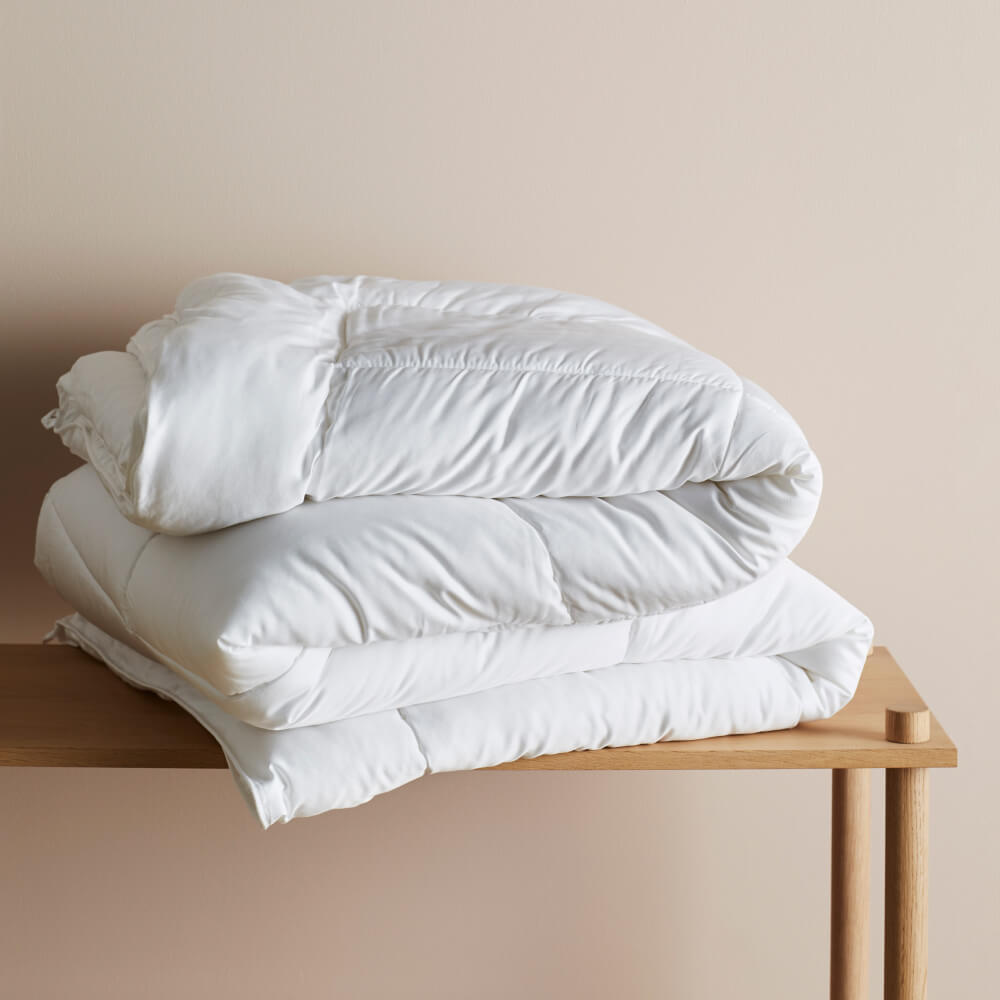
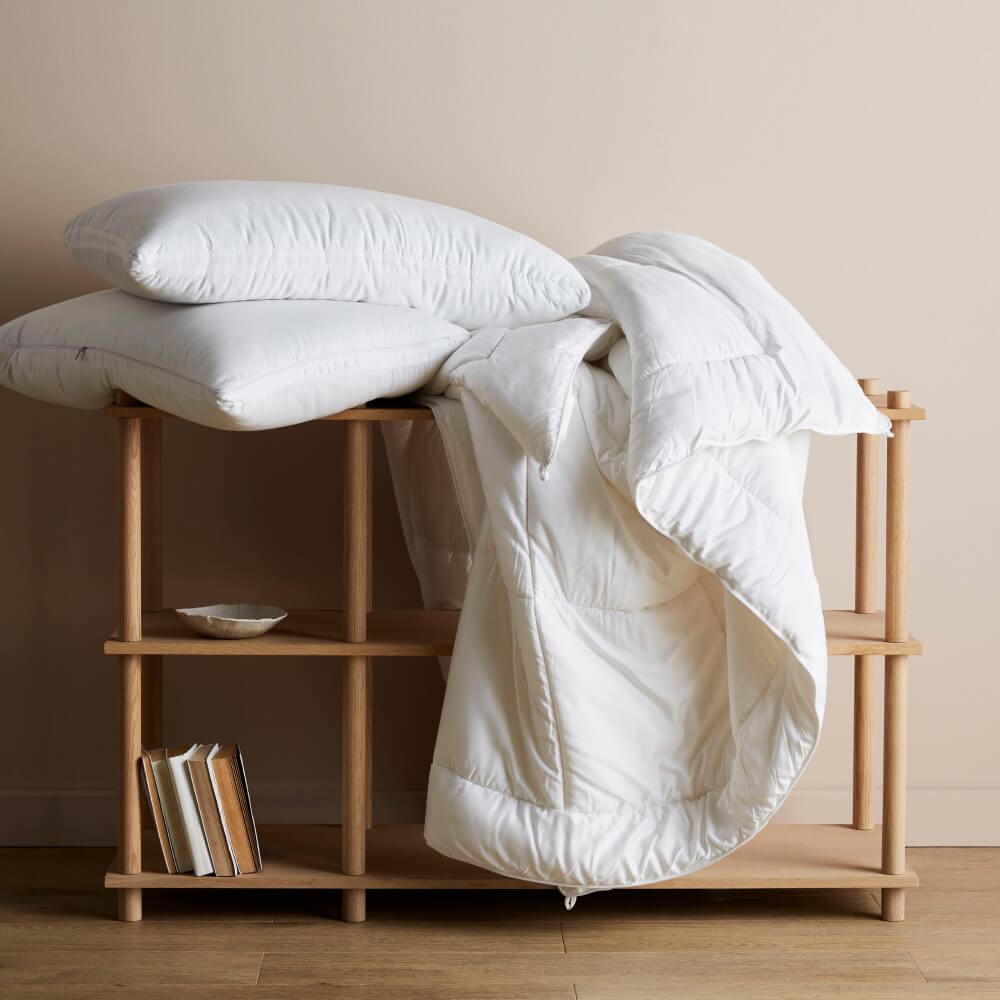
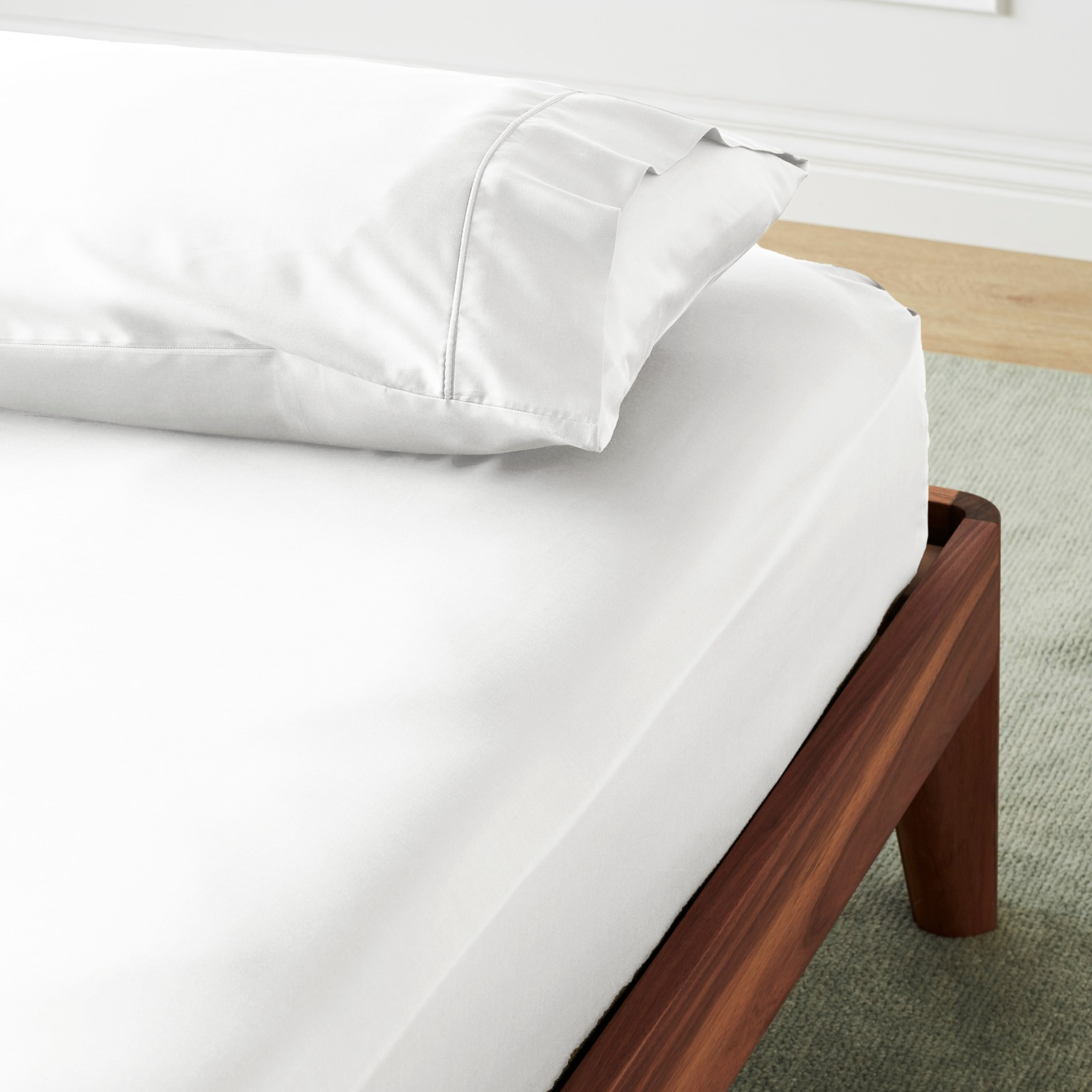
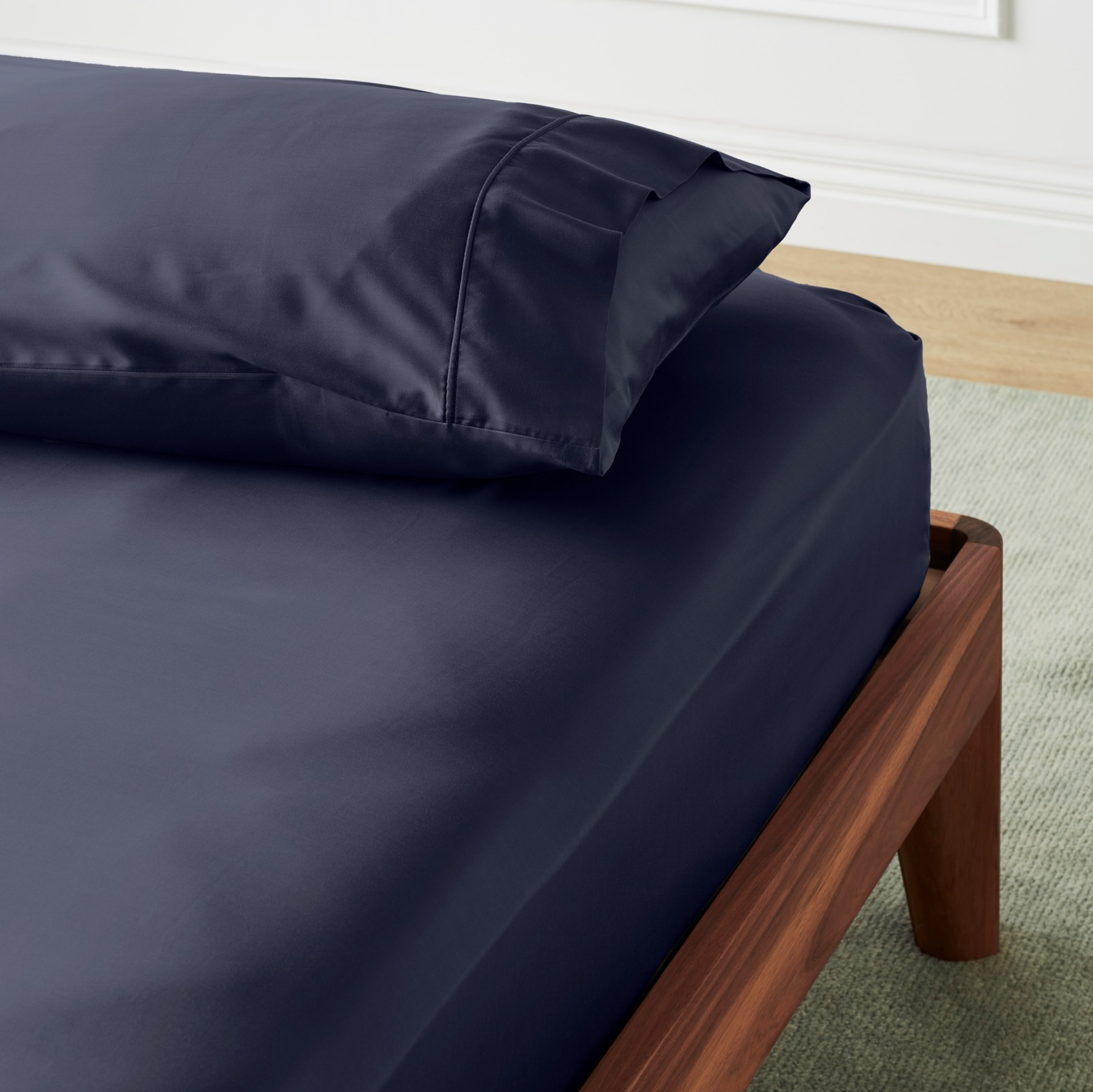
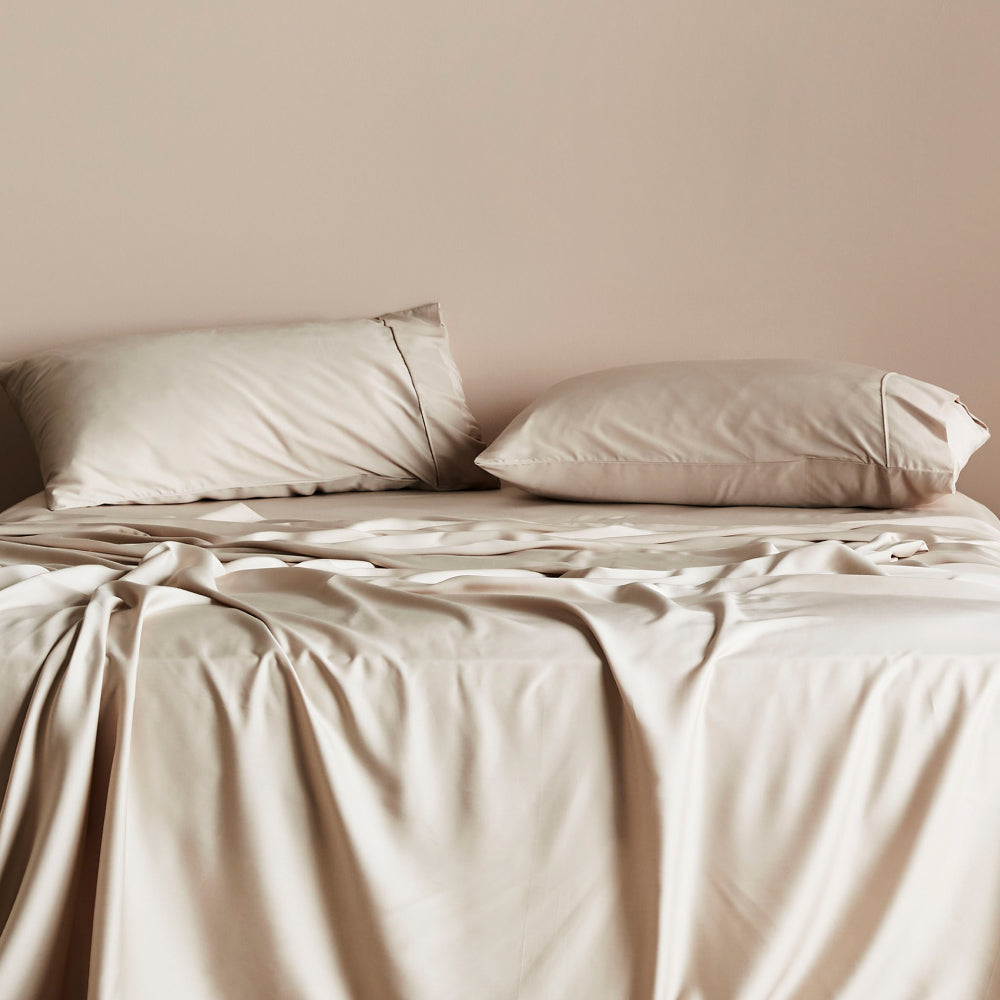
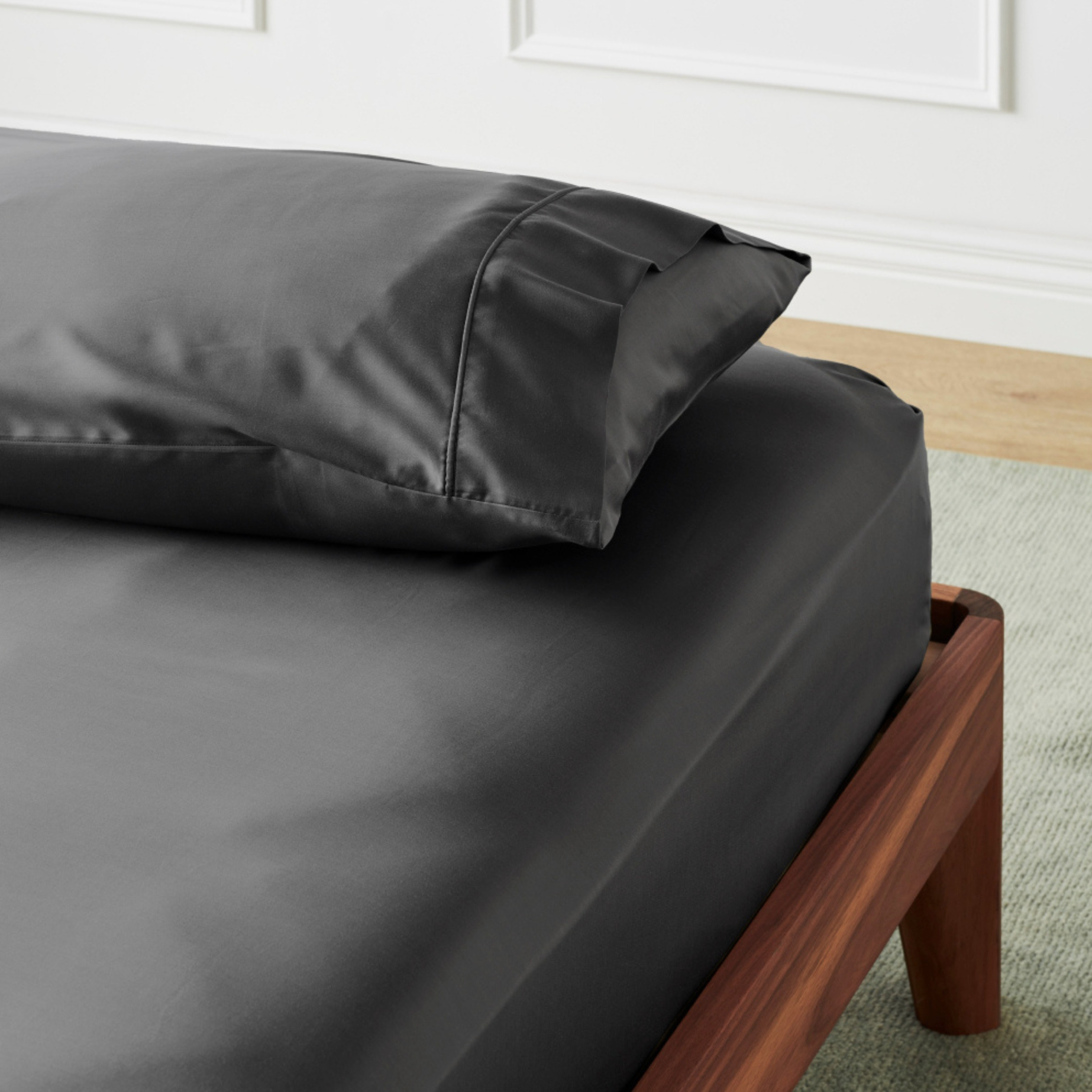
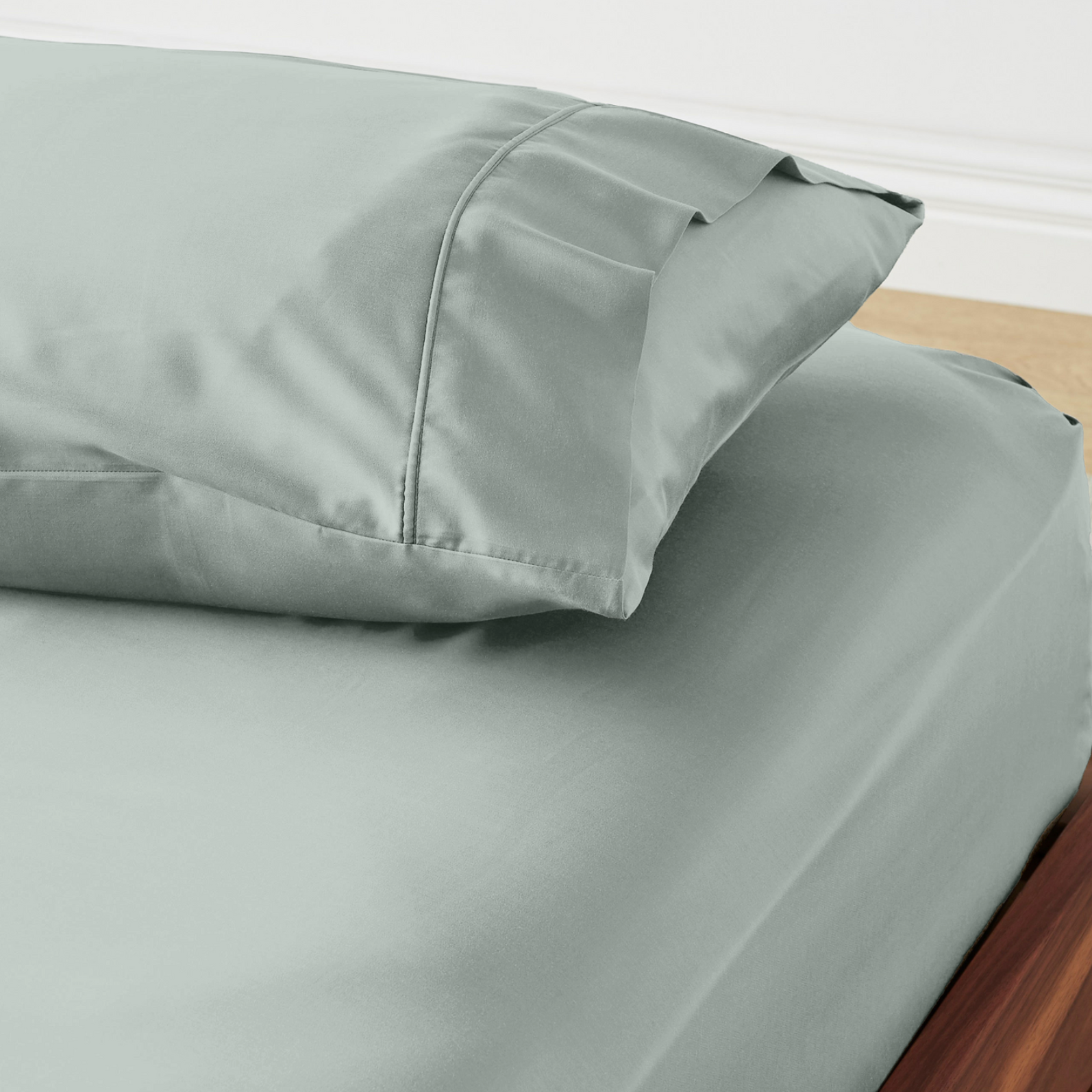
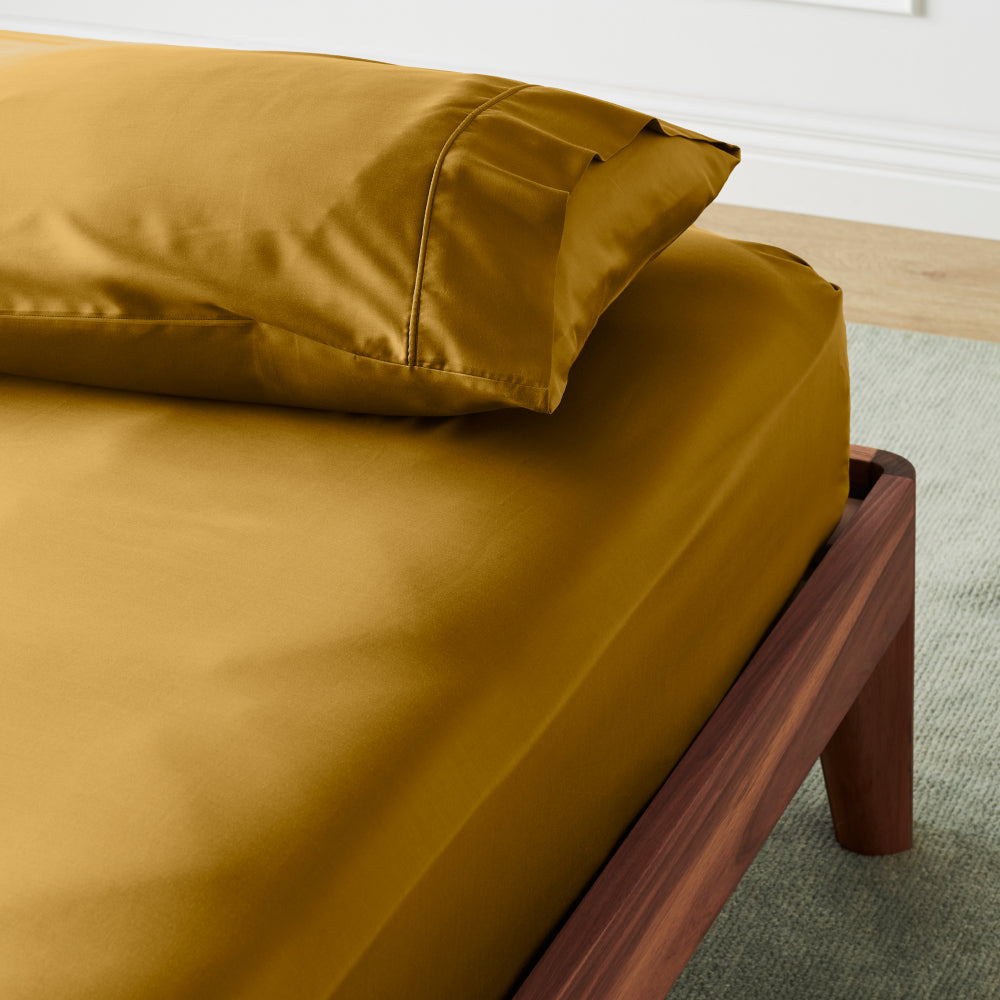
Ich schlafe auf CleanBamboo® Bettwäsche. Meine Haut ist jede Nacht in direktem Kontakt damit, und das nehme ich ernst, wahrscheinlich ernster als die meisten Gründer ihr eigenes Produkt.
Unsere Bettwäsche ist OEKO-TEX® Standard 100 zertifiziert, was bedeutet, dass sie unabhängig darauf geprüft wurde, frei von Hunderten von Substanzen zu sein, die Haut oder Gesundheit schaden könnten. Sie ist von Dermatologen empfohlen, hypoallergen und von Dritten validiert, um Baumwolle und Bambusviskose in Bezug auf Atmungsaktivität und Feuchtigkeitstransport zu übertreffen.
Ich sage das nicht als Aufzählung von Referenzen, sondern weil die gleichen Prinzipien, nach denen ich mein ganzes Leben gelebt habe – ungiftig, naturnah, unterstützend für die Körperrhythmen – auch die Art und Weise geprägt haben, wie wir den Stoff hergestellt haben. Diese Übereinstimmung ist mir wichtig.
FAQ
Ist China Maxxing eine echte Wellness-Praxis oder nur ein TikTok-Trend? Beides. Der Trend ist neu; die Praktiken, auf die er verweist, reichen Jahrhunderte zurück, viele davon sind in der Traditionellen Chinesischen Medizin kodifiziert. Das Format ist neu. Die Philosophie nicht.
Welche chinesische Wellness-Gewohnheit ist am einfachsten zu beginnen? Warmes Wasser. Kostet nichts, erfordert nichts, und die Wirkung auf Verdauung und Energie ist innerhalb weniger Tage spürbar.
Warum trinken Chinesen heißes Wasser? Die TCM vertritt die Ansicht, dass kaltes Wasser, besonders morgens oder zu den Mahlzeiten, das Verdauungssystem belastet, indem es das Qi kühlt, das der Körper zur Verarbeitung von Nahrung verwendet. Warmes Wasser unterstützt die Verdauung, anstatt ihr entgegenzuwirken. Das ist thermische Logik, kein Mystizismus.
Was ist die TCM-Körperuhr? Ein System, das Zwei-Stunden-Intervalle über den 24-Stunden-Tag abbildet, wobei jedes Intervall einem Organsystem und dessen Höchstfunktion zugeordnet ist. Am häufigsten zitiert: 23:00–01:00 Uhr ist zǐ shí, das Zeitfenster für Leber und Gallenblase, die primäre Entgiftungs- und Reparaturphase des Körpers. Schlaf vor 23:00 Uhr gilt in der traditionellen Praxis als unabdingbar, und die moderne Schlafforschung bestätigt die zugrunde liegende Logik.
Eine Einladung
Sie müssen nicht alles übernehmen. Fangen Sie mit der Thermoskanne an. Probieren Sie das Fußbad einmal aus. Gehen Sie dienstags vor 23 Uhr ins Bett und bemerken Sie, wie sich der Mittwoch anfühlt.
Der Rhythmus ist bereits da, in Ihrem Körper, in der Jahreszeit, in der Stille zwischen dem einen und dem nächsten. ettitude existiert, um diesen Rhythmus zu unterstützen, in den Materialien, die Ihrer Haut am nächsten sind, und in den Räumen, in die Sie jede Nacht zurückkehren.
Ich habe mein ganzes Leben lang „China Maxxing“ betrieben. Ich nannte es einfach Komfort.
Phoebe Yu ist die Gründerin und CEO von ettitude, einer Luxusmarke für Bettwäsche und Lifestyle, die auf CleanBamboo® basiert. Dieses patentierte Bambus-Lyocell-Gewebe ist rückverfolgbar, ungiftig und auf Wiederherstellung ausgelegt. Sie wurde in Shanghai geboren, gründete ettitude in Melbourne und lebt jetzt in Los Angeles.