"Organic" on a bedding label can mean a lot of things, or almost nothing. Here's how to tell the difference.
When you see "organic" on a set of sheets, it's natural to assume the entire product: fabric, dyes, and finish, was made without harmful chemicals. But that's rarely what the label means. In most cases, "organic" refers only to the raw material: the plant was grown organically. What happened to it after harvest, the chemicals used to process it into fibre, the dyes applied, the finishes added, may be a completely different story.
That's why certifications like Ecocert and the Organic Content Standard (OCS) exist: to verify organic claims and trace them through the supply chain, so you're not just taking a brand's word for it.
What Is Ecocert?
Ecocert is an independent certification body founded in France in 1991. It inspects and certifies organic and environmentally responsible products across more than 130 countries, covering food, agriculture, forestry, cosmetics, and textiles.
In practical terms, Ecocert is the auditor, the organisation that verifies whether a product actually meets the standard it claims to meet. When you see "Ecocert certified organic" on a textile product, it means Ecocert has independently verified that the raw material was grown on a certified organic farm, without synthetic pesticides, fertilisers, or GMOs.
For bamboo specifically, Ecocert certification confirms that the plant was organically cultivated. This is the starting point, not the finish line.
What Is the Organic Content Standard (OCS)?
The Organic Content Standard is a global certification developed by Textile Exchange, a nonprofit that sets standards for sustainable textile production. It's the framework that tracks organic fibre from the farm through every stage of the supply chain, spinning, weaving, dyeing, finishing, to the final product.
OCS doesn't certify the manufacturing process. It certifies that the organic material you were promised is actually in the finished product, in the amount claimed, and can be traced back to a certified organic source.
There are two certification levels:
OCS 100 — the product contains a minimum of 95% certified organic fibre. The remaining 5% can be non-organic, but it's documented and disclosed.
OCS Blended — the product contains at least 5% certified organic fibre, blended with conventional materials.
The OCS is managed with input from producers, suppliers, brands, and retailers worldwide, and it only accepts material from farms certified under one of IFOAM's (International Federation of Organic Agriculture Movements) Family of Standards.
How Ecocert and OCS Work Together
Think of it this way: Ecocert is the inspector. OCS is the chain of custody.
Ecocert verifies the organic status of the raw material at the source. OCS tracks that material through every hand it passes through — from farm to processor to manufacturer to the finished product on your bed — making sure the organic claim holds up at every step.
What ettitude's Ecocert + OCS Certification Actually Means
ettitude holds the OCS 100 certification, verified by Ecocert. Here's what that means in plain terms:
The bamboo used in ettitude's CleanBamboo® fabric is Ecocert-certified organic, grown without synthetic pesticides, fertilisers, or irrigation. It's also FSC-certified, meaning the bamboo forests are managed responsibly and sustainably.
The OCS 100 certification traces organic bamboo through the full production chain, confirming that at least 95% of the fibre in the finished product is certified organic and that the supply chain is documented from farm to fabric.
But certification of the raw material is only part of the picture. What makes ettitude's approach different is what happens after the bamboo is harvested.
Why "Organic" Raw Material Isn't Enough on Its Own
Here's the part most bedding brands don't talk about: a product can start with organic bamboo and still end up loaded with chemicals.
The vast majority of "bamboo" bedding on the market is bamboo viscose (also called bamboo rayon). Even when the bamboo itself was grown organically, the viscose process uses harsh chemicals: carbon disulfide, caustic soda, and sulfuric acid, in an open-loop system. Those chemicals can harm workers during production, and traces can remain in the finished fabric.
Organic certification covers the plant. It doesn't cover the processing.
This is exactly why ettitude's CleanBamboo® process matters. Instead of the conventional viscose method, CleanBamboo® uses a patented closed-loop process with a non-toxic, organic solvent (NMMO) that recycles 98% of the water and solvent used. No harsh chemicals enter the process. None remains in the product.
A third-party Lifecycle Assessment confirmed that CleanBamboo® lyocell achieves a 59% reduction in wastewater, 36% reduction in CO₂ emissions, and 53% reduction in fossil fuel use compared to bamboo viscose.
And because the finished product is certified to OEKO-TEX® Standard 100, Product Class I, it has been independently tested for over 1,000 harmful substances and verified safe for direct contact with a baby’s skin. So you’re not just trusting what goes in, you’re confirming what comes out.
Ecocert vs. Other Organic Textile Certifications
If you've researched organic textiles, you've probably seen several certification names. Here's how the major ones differ:
OCS (Organic Content Standard) verifies that organic fibre is in the product and traces it through the supply chain. It does not set requirements for the manufacturing process itself — no chemical restrictions, no wastewater standards.
GOTS (Global Organic Textile Standard) is more comprehensive: it certifies both the organic content and the processing, with strict chemical, environmental, and labour requirements. However, GOTS requires a minimum of 70% organic fibre and caps regenerated fibres (including Tencel, bamboo lyocell, and bamboo viscose) at 10% of the total blend. That means a 100% bamboo lyocell product is structurally ineligible for GOTS certification, not because it fails the standard, but because the standard wasn't designed for regenerated cellulose fibres.
OEKO-TEX® Standard 100 takes a different approach entirely: it tests the finished product for harmful substances, regardless of whether the raw material was organic. It tells you what's not in your sheets, rather than what went into growing the plant.
The strongest assurance comes from layering these certifications: organic raw material (Ecocert + OCS), clean processing (CleanBamboo® closed-loop), and a verified safe finished product (OEKO-TEX® Standard 100 Class I). That's the approach ettitude takes.
For a deeper look at what OEKO-TEX® certification means and why the product class distinction matters, see our guide: What Is OEKO-TEX® Certification and Why Does It Matter for Your Bedding?
What's Changing: OCS and the Materials Matter Standard
The certification landscape is evolving. In December 2025, Textile Exchange introduced the Materials Matter Standard (MMS), which will gradually replace the OCS. The new standard takes effect on December 31, 2026, and becomes mandatory for all certified sites by December 31, 2027.
MMS is designed to be more holistic. moving beyond content tracing to incorporate farmer-centred outcomes and broader environmental impact. Organic fibre traceability will remain a core function, but the framework expands to support more comprehensive sustainability metrics.
ettitude's Ecocert organic certification and FSC certification for its bamboo sourcing will continue to serve as foundational verification under the new system. We'll share updates as the transition unfolds.
Why Should You Care About Organic Certification for Bedding?
You spend roughly a third of your life in direct skin contact with your sheets. Conventional bedding and apparel can contain residues from pesticides and fertilisers used during raw material cultivation, as well as chemicals added during processing.
Organic certification at the source, verified by an independent body such as Ecocert, ensures that the raw material was grown without those inputs. When paired with clean processing (like ettitude's CleanBamboo® closed-loop method) and finished-product testing (OEKO-TEX® Standard 100 Class I), you get a complete picture of what's in your bedding and what isn't.
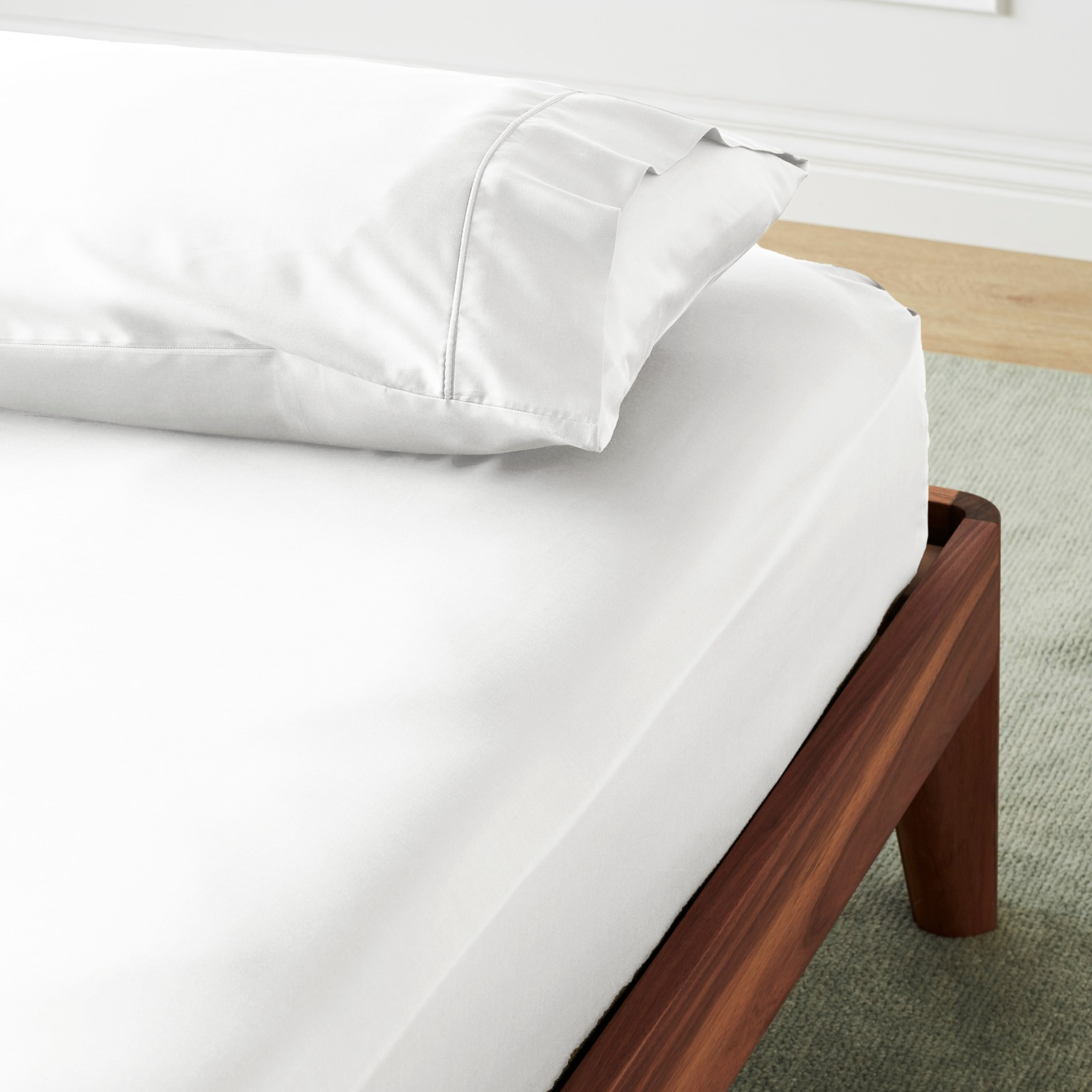
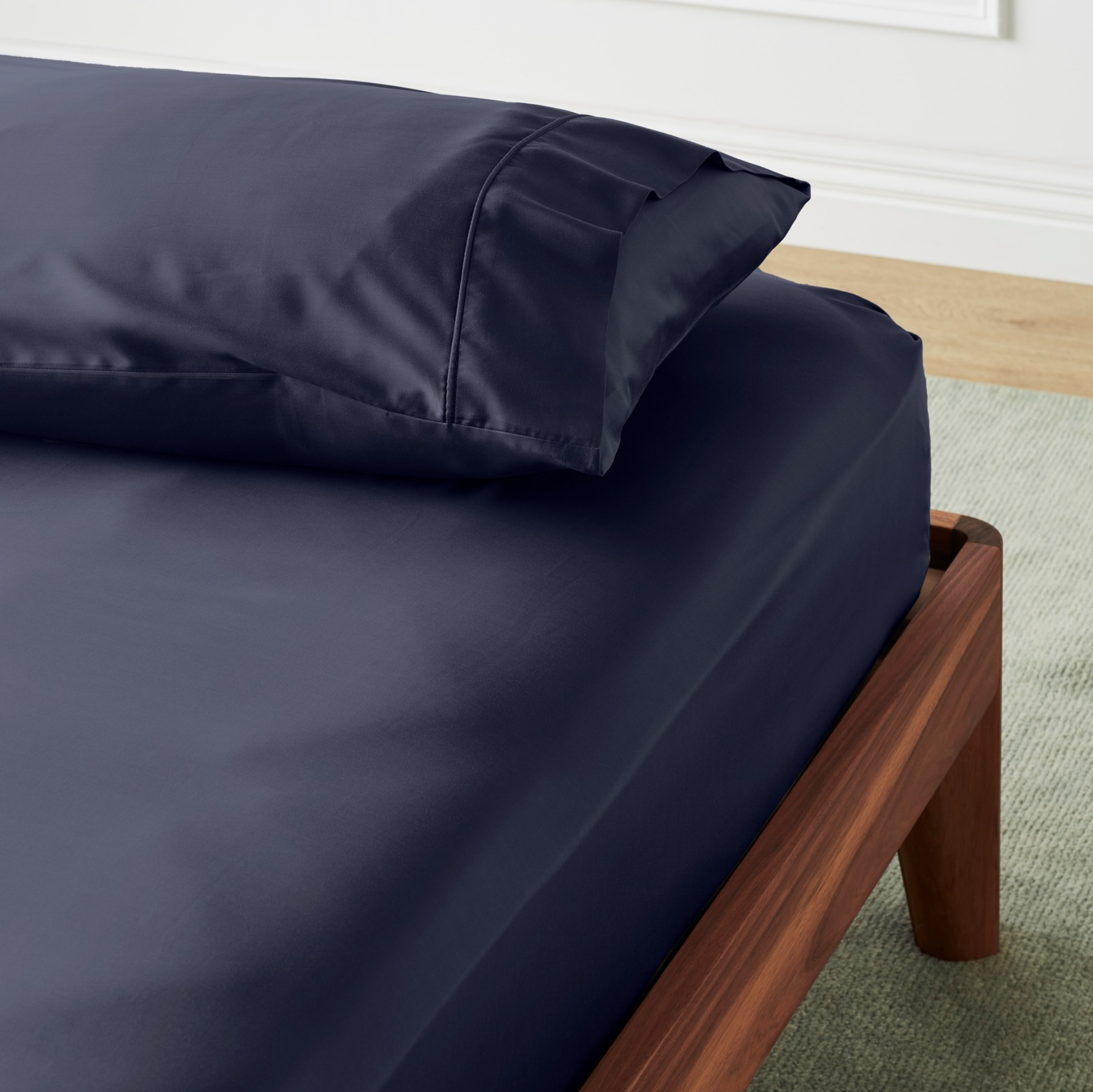
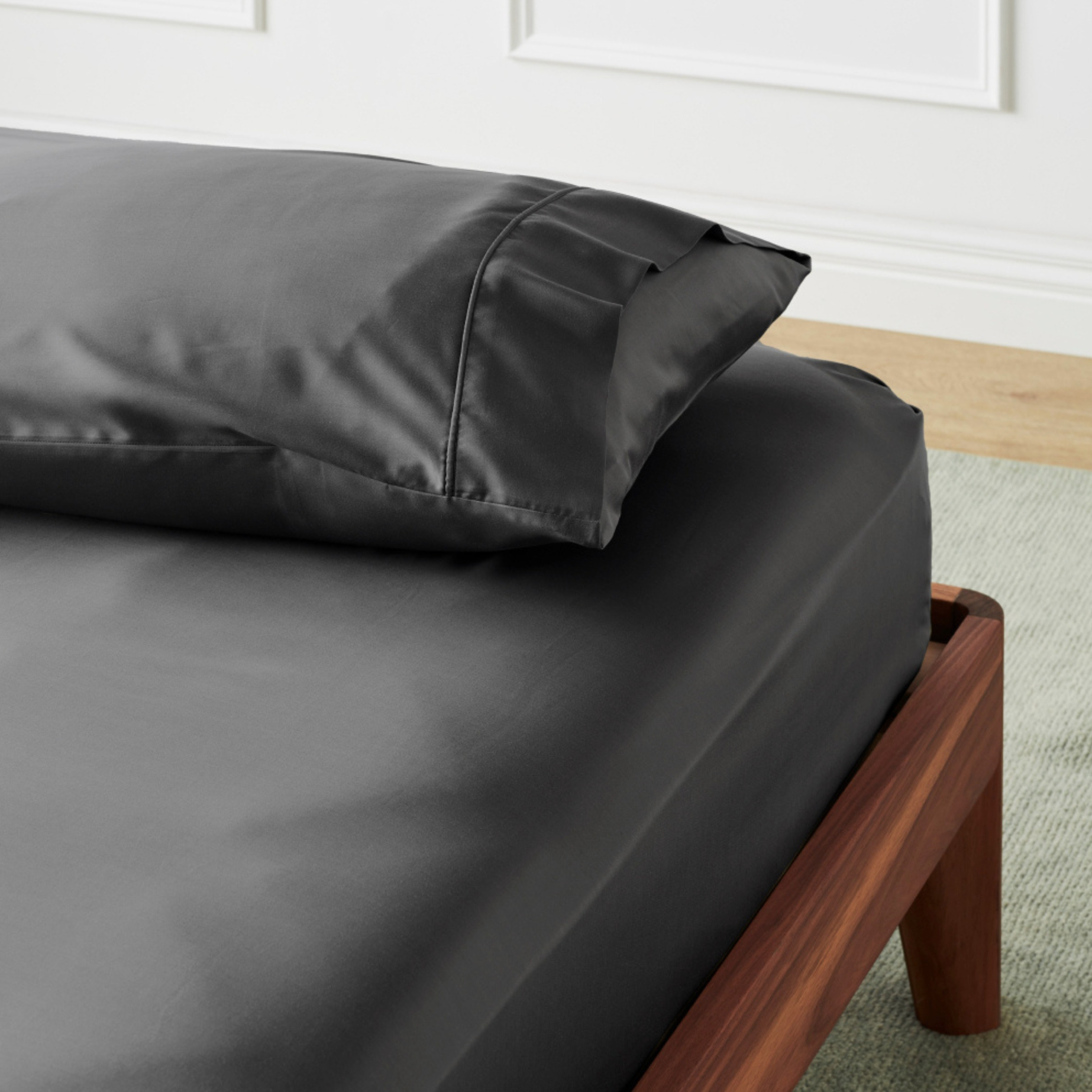
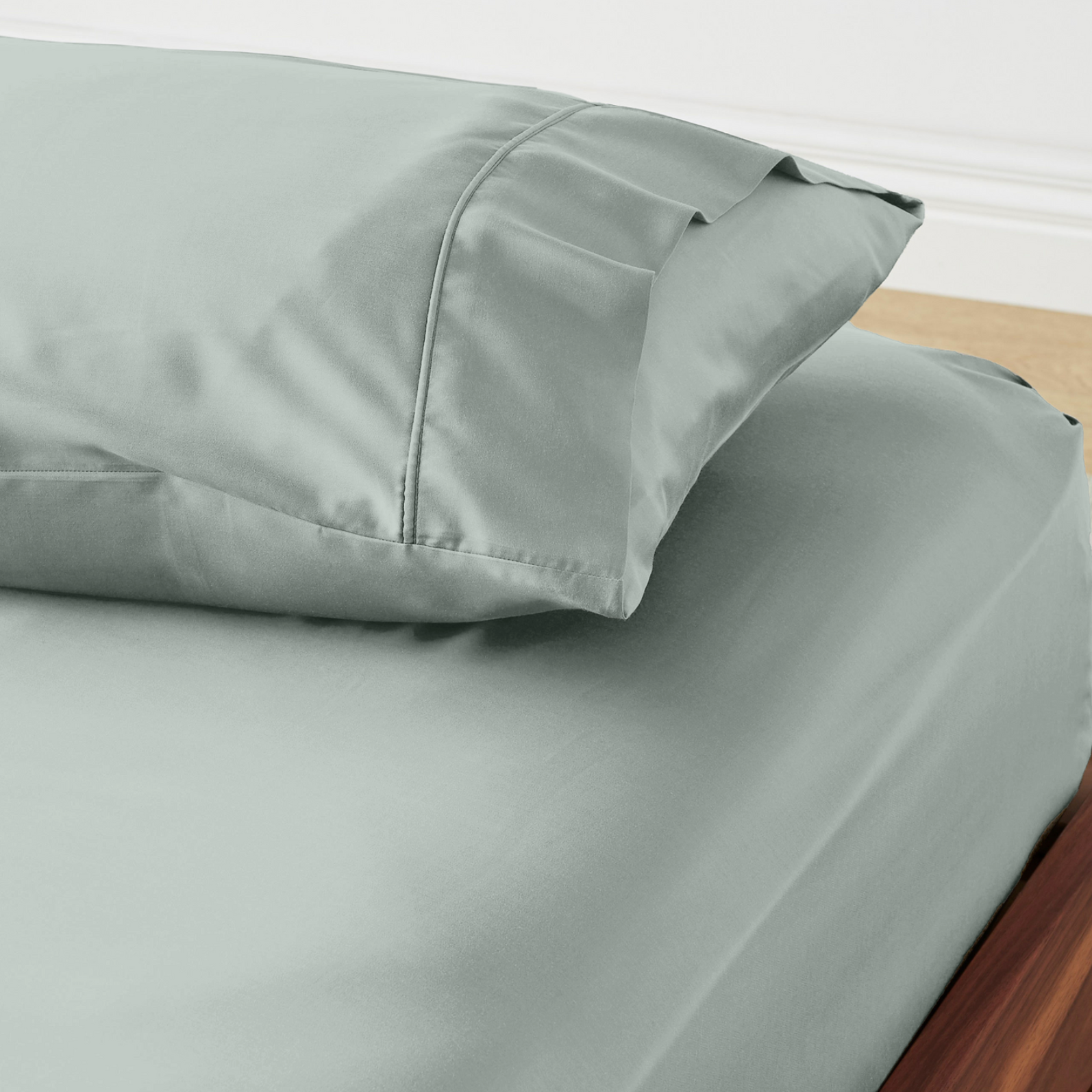
ettitude's dermatologist-recommended CleanBamboo® Sheet Sets, pillowcases, and duvet covers are made from Ecocert-certified organic, FSC-certified bamboo and are independently verified safe at every stage, from seed to stitch.
Explore the full collection at ettitude.com.au.
FAQs
What is Ecocert organic certification?
Ecocert is an independent certification body that verifies whether a product's raw materials were grown organically, without synthetic pesticides, fertilisers, or GMOs. Founded in France in 1991, Ecocert operates in over 130 countries and certifies products across food, cosmetics, forestry, and textiles. For bedding, Ecocert certification confirms that the fibre source (such as bamboo) was cultivated organically. ettitude's bamboo feedstock is Ecocert-certified organic and FSC-certified.
What does OCS 100 certification mean?
OCS 100 (Organic Content Standard 100) means that at least 95% of the fibre in a product is certified organic, and that the organic material has been traced through the entire supply chain: from farm to finished product. The OCS is developed by Textile Exchange and audited by certification bodies like Ecocert. ettitude holds OCS 100 certification for its CleanBamboo® fibre.
Is OCS the same as GOTS?
No. OCS verifies organic content and supply chain traceability, but doesn't regulate the manufacturing process. GOTS is more comprehensive, covering organic content, chemical use, environmental standards, and labour practices. However, GOTS caps regenerated fibres like bamboo lyocell at 10% of a blend, so a 100% bamboo lyocell product can't hold GOTS certification — not because it fails on safety or sustainability, but because of the fibre category restriction.
Why isn't organic certification enough for bedding?
Organic certification covers how the raw material was grown, but not what happens during manufacturing. Bamboo can be grown organically and then processed into viscose using harsh chemicals like carbon disulfide. The "organic" label applies to the plant, not the fabric. That's why ettitude pairs organic sourcing (Ecocert + OCS 100) with clean processing (CleanBamboo® closed-loop, non-toxic method) and finished-product safety testing (OEKO-TEX® Standard 100 Class I).
What certifications does ettitude hold?
ettitude's CleanBamboo® products carry: Ecocert certified organic bamboo sourcing, OCS 100 certification for supply chain traceability, FSC certification for sustainable forest management, OEKO-TEX® Standard 100 Product Class I (the highest safety classification, tested for over 1,000 harmful substances), B Corp certification, and Climate Neutral certification. Together, these cover the raw material, the process, and the finished product.
What is the Materials Matter Standard replacing OCS?
The Materials Matter Standard (MMS) is Textile Exchange's next-generation certification framework, introduced in December 2025. It takes effect on December 31, 2026, and becomes mandatory by December 31, 2027. MMS expands beyond content tracing to include broader sustainability outcomes and farmer-centred metrics. Organic fibre traceability, the core function of OCS, will remain central to the new system.