Your sheets touch your skin for roughly eight hours a night. Here's how to make sure what you're sleeping on is actually safe.
There's a quiet problem with most bedding: you can't see the chemicals in it. Formaldehyde resins hide behind "wrinkle-free" labels. Volatile organic compounds off-gas from synthetic finishes. Pesticide residues linger in conventionally grown cotton. And none of it shows up on a care tag.
That's where OEKO-TEX® certification comes in and why it's one of the most important labels to look for when you're choosing sheets, pillowcases, or duvet covers.
What Is OEKO-TEX® Standard 100?
OEKO-TEX® Standard 100 is an independent testing and certification system for textiles. Established in 1992 by the International Association for Research and Testing in the Field of Textile and Leather Ecology, it's now one of the world's most widely recognised textile safety labels, with testing institutes in over 70 countries and more than 43,000 certificates issued annually.
Here's what it does in plain language: every component of a certified product, fabric, thread, buttons, dyes, zippers, is independently tested against a list of over 1,000 substances known to be harmful to human health or the environment. That includes pesticides, heavy metals, formaldehyde, phthalates, certain dyes, chlorinated solvents, and per- and polyfluoroalkyl substances (PFAS). The limit values are reviewed and updated at least once a year to keep pace with emerging research, meaning the certification doesn't go stale. Unlike some static certifications that lock in requirements at the time of issue, OEKO-TEX® continuously raises the bar as new science surfaces new risks. Certificates themselves must be renewed annually, so a product certified today is held to today's standards, not last decade's.
If a product carries the OEKO-TEX® Standard 100 label, it means it passed. Every part of it.
Why OEKO-TEX® Certification Matters Specifically for Bedding
We spend roughly a third of our lives in bed. That's thousands of hours of direct, prolonged skin contact, more intimate and sustained than almost anything else in your home. And yet most people put more thought into what's in their skincare than what's in their sheets.
The hidden chemicals in conventional bedding
Conventional bedding can contain a surprising range of chemical treatments:
-
Formaldehyde resins are applied to create "wrinkle-free," "no-iron," or "permanent press" finishes. The resin remains embedded in the fabric and continues to release formaldehyde, a known carcinogen classified as a Hazardous Air Pollutant by the EPA, over the product's lifetime.
-
Volatile organic compounds (VOCs) like benzene, toluene, and xylene can off-gas from chemical finishes and synthetic materials, contributing to indoor air pollution while you sleep.
-
Pesticide residues from conventionally grown cotton can persist through manufacturing into the finished product.
-
Phthalates and undisclosed fragrances from chemical treatments have been linked to hormone disruption and skin irritation.
-
Anti-mold agents such as dimethyl fumarate, sometimes used during shipping, can trigger allergic reactions.
There are currently no U.S. federal regulations limiting formaldehyde in textiles. That's a gap OEKO-TEX® certification helps close.
What the testing actually covers
OEKO-TEX® doesn't just test the main fabric. It tests everything: the thread, the elastic, the label, the coating. And it assigns stricter limits based on how intensively the product contacts skin and how sensitive the user is.
This is where the product class system matters:
-
Product Class I — for babies and children up to 3 years. The strictest requirements.
-
Product Class II — for products with direct skin contact (this is where most bedding falls).
-
Product Class III — for products without direct skin contact.
-
Product Class IV — for decorative home textiles.
Most bedding brands that hold OEKO-TEX® certification have met the Class II standard, which is solid. But there's a meaningful difference between Class II and Class I.
Why Product Class Matters: The ettitude Difference
ettitude's CleanBamboo® bedding is certified to OEKO-TEX® Standard 100, Product Class I, the highest and most stringent classification available. That means it's independently verified as safe for direct contact with a baby's skin, not just an adult's.
Most bedding on the market only meets Class II ("safe for skin contact"). Class I goes further, with tighter limit values across the full spectrum of tested substances. For anyone with sensitive skin, allergies, eczema, or respiratory conditions, or for parents choosing bedding for their children, that distinction is significant.
Dr. Barbara Paldus, Ph.D. (Stanford), Founder and CEO of Codex Labs and an EWG Board Member, has spoken specifically about why the materials that touch your skin during sleep matter: the wrong chemicals can disrupt the skin barrier and its microbiome. She recommends ettitude's CleanBamboo® because it uses food-grade, non-toxic solvents and low-impact dyes — making it, in her assessment, one of the safest options available for skin health.
"Protecting the skin barrier and its microbiome is one of the most important aspects of skin health," Dr. Paldus notes. CleanBamboo® is dermatologist-recommended precisely because of what it doesn't contain.
How CleanBamboo® Goes Beyond the Certification
OEKO-TEX® Standard 100 certifies that the finished product is free from harmful substances. But ettitude's approach starts much earlier than that.
CleanBamboo® is ettitude's patented, fully traceable process for producing bamboo lyocell, a fundamentally different fibre from bamboo viscose (also called bamboo rayon). The distinction matters:
-
Bamboo viscose uses harsh chemicals like carbon disulfide and caustic soda in an open-loop process. Those chemicals can harm workers during production, and traces can remain in the finished fabric.
-
Bamboo lyocell (CleanBamboo®) uses a non-toxic, food-grade solvent (NMMO) in a closed-loop system that recycles 98% of the water and solvent used. No harsh chemicals enter the process. None remains in the product.
A third-party Lifecycle Assessment confirmed that CleanBamboo® lyocell achieves a 59% reduction in wastewater, 45% reduction in CO₂ emissions, and 53% reduction in fossil fuel use compared to bamboo viscose.
The bamboo itself is FSC-certified and Eco-Cert organic, grown without pesticides, fertilizers, or irrigation.
So when you see ettitude's OEKO-TEX® Class I certification, it's the verification layer on top of a process that was designed from the start to be clean.
Other OEKO-TEX® Certifications Worth Knowing
The OEKO-TEX® Association offers several certifications in addition to Standard 100. A quick guide:
STeP by OEKO-TEX® certifies the production facility itself, covering chemical management, environmental performance, worker safety, and waste handling. It ensures the factory where your bedding is made operates responsibly, not just that the finished product tests clean.
Eco Passport by OEKO-TEX® certifies individual chemicals and auxiliaries used during production. It helps ensure that the dyes, finishes, and treatments going into your textiles are safe before the product is even assembled.
Made in Green by OEKO-TEX® combines Standard 100 and STeP, certifying both the product and the facility. Products with this label include a unique QR code you can scan to trace exactly where and how they were made.
How to Spot (and Avoid) Misleading Bedding Claims
Not every product that says "natural," "eco-friendly," or "chemical-free" on the label has actually been independently tested. A few things to watch for:
Red-flag language: "Wrinkle-free," "no-iron," "permanent press," and "stain-repellent" often indicate chemical treatments, including formaldehyde resins and PFAS finishes.
"Bamboo" without specifics: Generic "bamboo" bedding is almost always bamboo viscose, processed with harsh chemicals. Look for "bamboo lyocell" and ideally a named, traceable process like CleanBamboo®.
Certifications vs. claims: A brand saying "we use safe materials" is a claim. A brand holding OEKO-TEX® Standard 100 certification has been independently tested by accredited labs. You can verify any OEKO-TEX® certificate at oeko-tex.com/label-check.
Is OEKO-TEX® the Same as Organic?
No, and they're complementary, not interchangeable.
Organic certifications (like GOTS or Eco-Cert) focus on how raw materials are grown, with no synthetic pesticides, no GMO seeds, and specific soil management practices. They tell you the input was clean.
OEKO-TEX® Standard 100 focuses on the finished product, testing the actual fabric you'll sleep on for harmful substances, regardless of whether the raw material was organic.
A product can be organic but still treated with harmful chemicals during manufacturing. And a product can be OEKO-TEX® certified without the raw material being organic. The strongest assurance comes from both, which is why ettitude's CleanBamboo® is made from Eco-Cert organic, FSC-certified bamboo and certified to OEKO-TEX® Standard 100 Product Class I.
For more on misleading eco claims, see our guide on bamboo greenwashing.
Sleep Safer, Starting Tonight
Choosing OEKO-TEX® certified bedding is one of the simplest upgrades you can make to your sleep environment. It doesn't require changing your mattress or overhauling your bedroom. It's just a smarter choice about what's touching your skin all night.
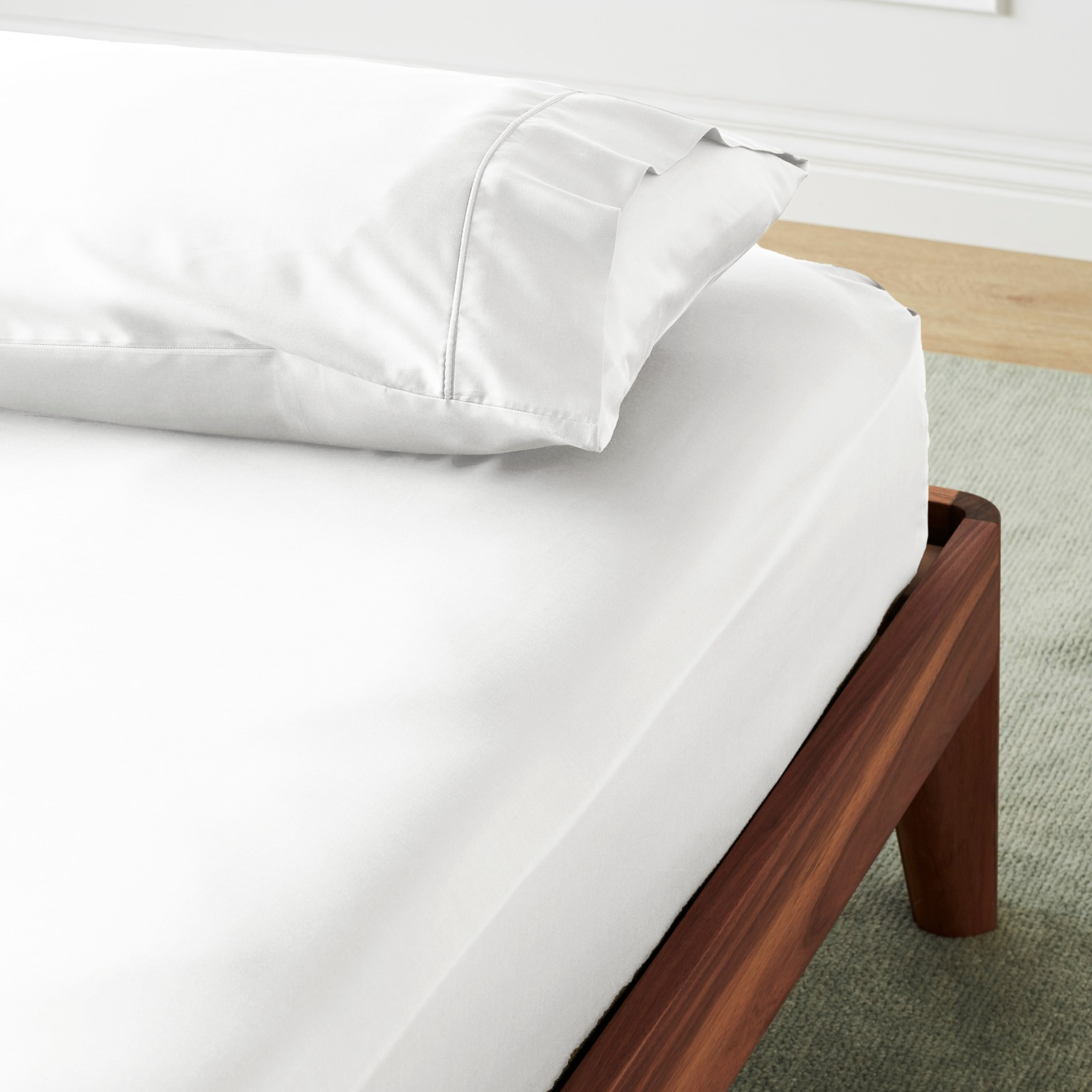
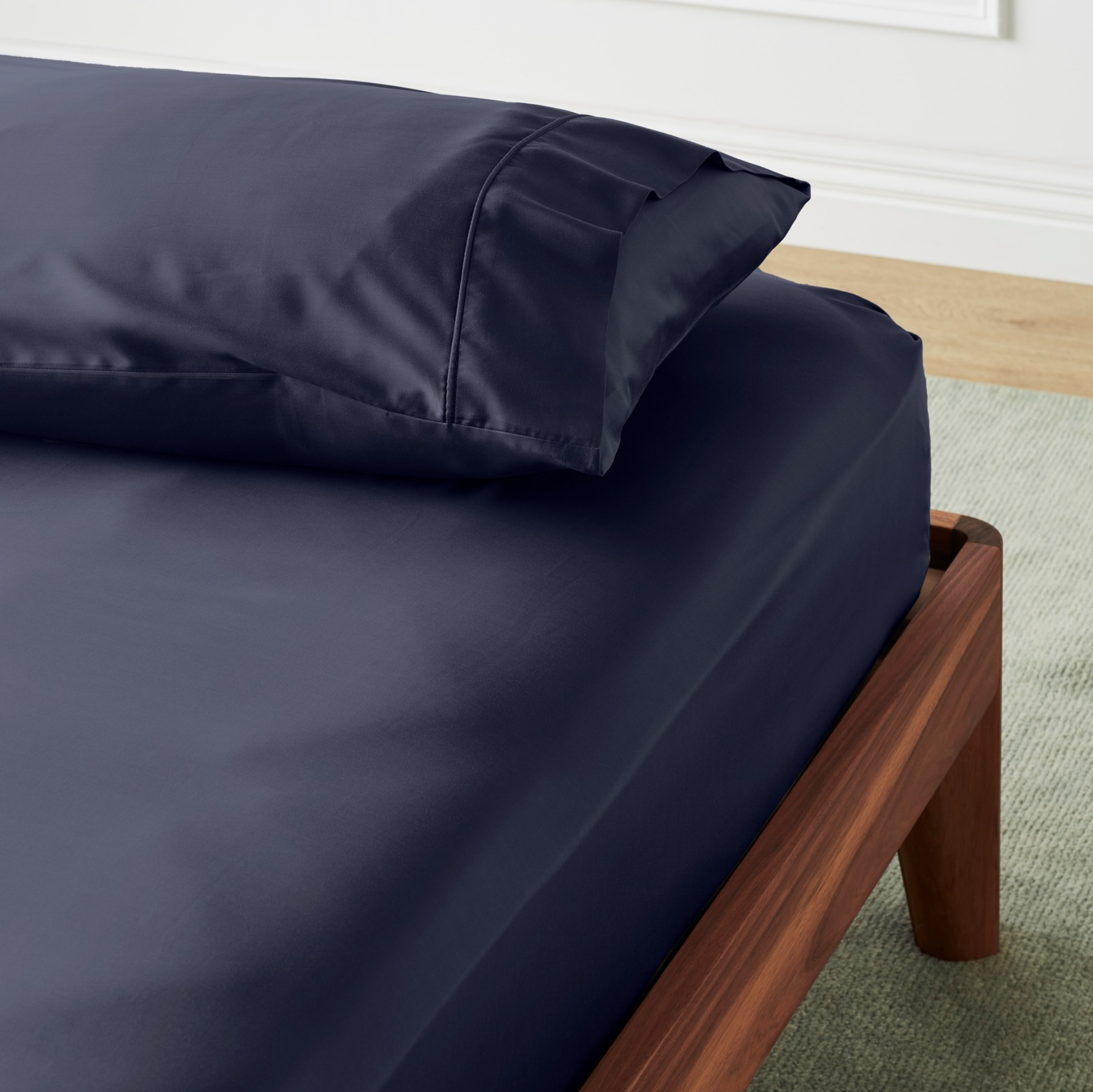
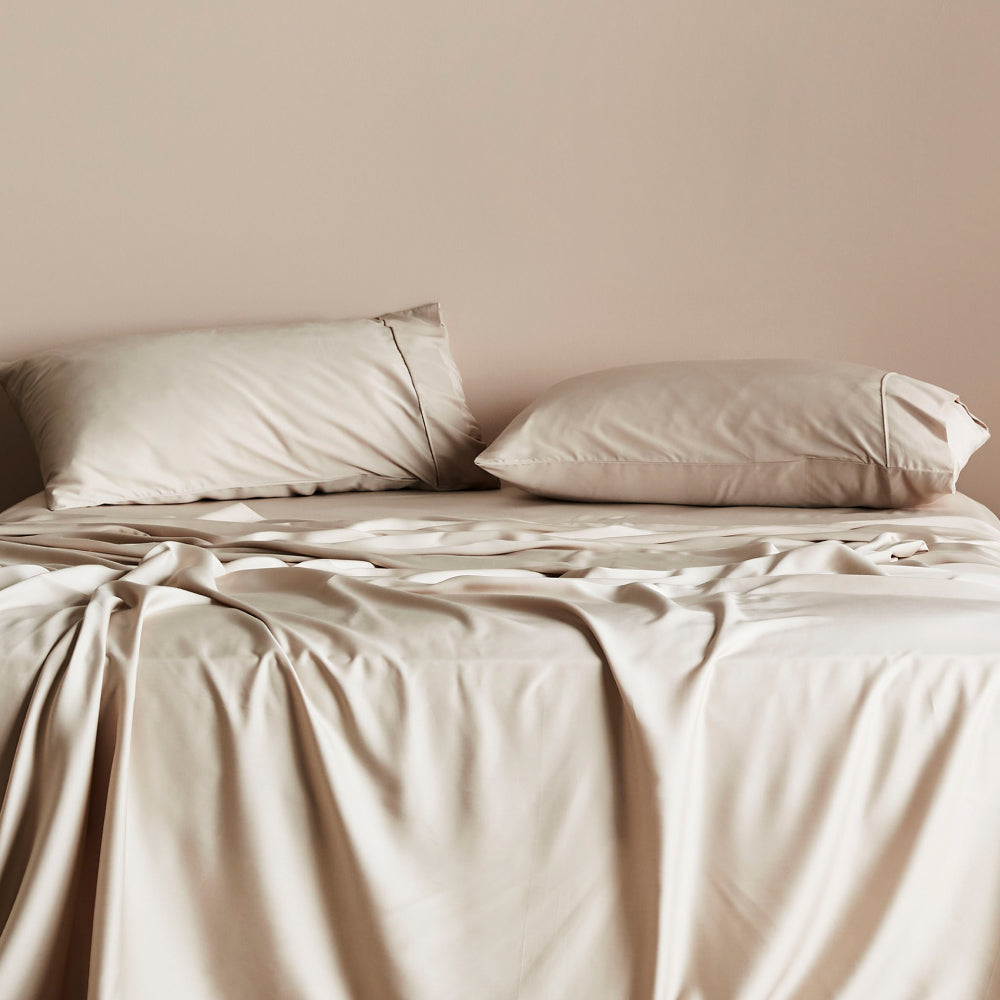
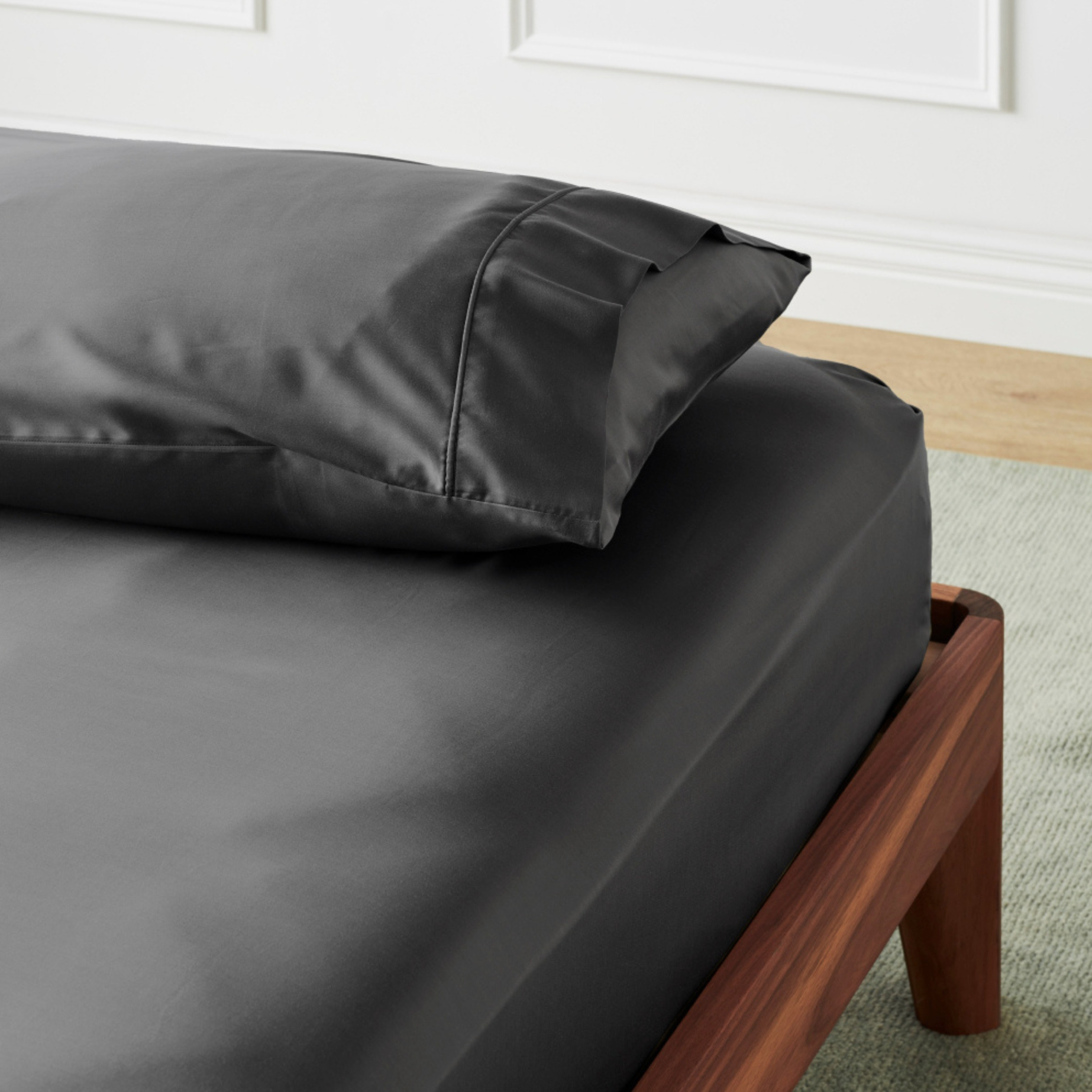
ettitude's dermatologist-recommended CleanBamboo® sheet sets, pillowcases, and duvet covers are OEKO-TEX® Standard 100 Product Class I certified — the highest safety standard available — and made through a patented closed-loop process that's clean from seed to stitch.
Explore the full collection at ettitude.com.au.
FAQs
What does OEKO-TEX® certification mean for bedding?
It means every component of the bedding, fabric, thread, dyes, and accessories has been independently tested against a list of over 1,000 substances that could harm human health or the environment. The OEKO-TEX® Standard 100 certification is especially important for bedding because of the prolonged, direct skin contact involved. ettitude's CleanBamboo® bedding meets the most rigorous Product Class I standard, which is certified safe even for babies and infants — stricter than the Class II standard most bedding brands achieve.
What harmful chemicals can be found in conventional bedding?
Conventional sheets may contain formaldehyde (in "wrinkle-free" finishes), pesticide residues from non-organic cotton, volatile organic compounds (VOCs) from synthetic treatments, phthalates, chlorine bleach residues, and flame retardants. These substances have been linked to skin irritation, respiratory issues, hormone disruption, and in some cases, increased cancer risk. OEKO-TEX® Standard 100 testing screens for all of these.
What's the difference between OEKO-TEX® Product Class I and Class II for bedding?
Product Class II covers items with direct skin contact; most bedding is certified under this class. Product Class I is designed for babies and children under 3, with the strictest limit values across the board. ettitude's CleanBamboo® bedding is certified to Class I, meaning it meets safety thresholds well beyond those required by standard bedding certifications, making it a strong choice for anyone with sensitive skin, allergies, or young children.
Is OEKO-TEX® certification the same as organic?
No. Organic certifications (like GOTS or Eco-Cert) govern how raw materials are grown, prohibiting synthetic pesticides and fertilizers. OEKO-TEX® Standard 100 tests the finished textile product for harmful substances regardless of how the raw material was sourced. They address different stages of the supply chain. The most comprehensive assurance comes from products that hold both, like ettitude's CleanBamboo® bedding, which uses Eco-Cert organic bamboo and is OEKO-TEX® Standard 100 Product Class I certified.
How can I verify if bedding is genuinely OEKO-TEX® certified?
Look for the OEKO-TEX® Standard 100 label on the product or packaging. Every certified product carries a certificate number and QR code that can be verified directly at oeko-tex.com/label-check. Be cautious of products that claim to be "eco-friendly" or "chemical-free" without third-party certification; these terms aren't regulated.
What makes bamboo lyocell bedding safer than bamboo viscose?
Bamboo viscose (also called bamboo rayon) is produced using harsh chemicals like carbon disulfide and caustic soda in a process that's typically not closed-loop, meaning those chemicals can affect workers and leave traces in the finished fabric. Bamboo lyocell, including ettitude's CleanBamboo®, uses a non-toxic solvent in a closed-loop process that recycles 98% of water and solvent. A third-party Lifecycle Assessment shows that CleanBamboo® produces 59% less wastewater and 45% lower CO₂ emissions than bamboo viscose. If you see "bamboo" on a bedding label without the word "lyocell," it's almost certainly viscose.
How often is OEKO-TEX® certification renewed?
Every year. OEKO-TEX® Standard 100 certificates are valid for 12 months and must be renewed with fresh testing to maintain the label. On top of that, the OEKO-TEX® Association updates its restricted substance list and limit values annually based on the latest scientific research and regulatory developments, so the bar rises every cycle. This makes OEKO-TEX® a living standard, not a one-time badge. A product certified this year has been tested against more substances and stricter thresholds than one certified five years ago.